Pharmaceutical packaging must meet the highest standards of safety, hygiene, barrier protection, and regulatory compliance. From tablets and capsules to syrups, ointments, and powders, each formulation requires a specific type of packaging material engineered to keep the product stable and safe.
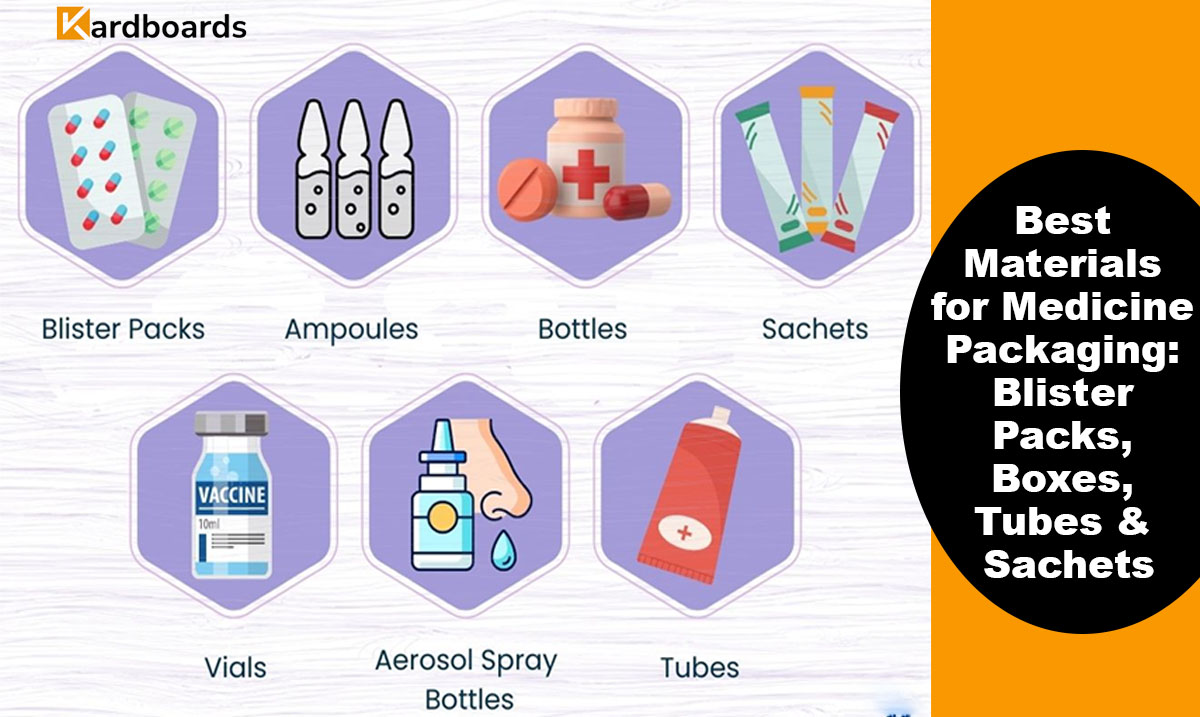
This guide explains the best materials used in medicine packaging, focusing on blister packs, pharma boxes, tubes, and sachets, along with their benefits and ideal applications.
1. Blister Pack Materials
Blister packaging is the most widely used format for tablets and capsules. Its strength lies in its ability to provide unit-dose protection, child safety, and enhanced shelf stability.
Key Materials Used:
- PVC (Polyvinyl Chloride): Most common blister material offering moderate moisture protection.
- PVDC (Polyvinylidene Chloride): Superior moisture and oxygen barrier; ideal for sensitive drugs.
- Alu-Alu (Cold Form Aluminum): 100% light, moisture, and oxygen barrier. Used for high-value medicines.
- PET: More eco-friendly than PVC; offers good clarity and durability.
Best For: Tablets, capsules, blistered unit doses, humidity-sensitive formulations.
2. Pharma Folding Cartons (Paper Boxes)
Paper-based cartons are used as secondary packaging for almost all pharmaceuticals. They protect the product, carry branding, and provide space for dosage instructions.
Common Materials:
- Folding Box Board (FBB): Lightweight, stiff, and widely used for medicine boxes.
- SBS (Solid Bleached Sulfate): Premium-grade paperboard with superior print quality.
- Kraft Board: Sustainable and durable option for eco-friendly pharma brands.
Best For: Secondary packaging for bottles, blister cards, tubes, sachets, and OTC medicines.
3. Pharmaceutical Tubes
Tubes are essential for semi-solid and topical formulations like ointments, gels, and creams.
Material Options:
- Aluminum Tubes: Excellent light and oxygen barrier. Ideal for sensitive formulations.
- Plastic Tubes (PE, HDPE, LDPE): Flexible, durable, and cost-efficient.
- Laminated Tubes (ABL / PBL): Combine foil and plastic for enhanced protection.
Best For: Dermatology products, gels, creams, ointments, and pastes.
4. Sachet Packaging Materials
Sachets are compact, single-use packaging formats ideal for powders, granules, and liquids.
Key Material Combinations:
- PET/ALU/PE: High-barrier multilayer structure for moisture-sensitive powders.
- PET/PE: Flexible and cost-effective for liquids and gels.
- Paper/PE: Lightweight and eco-friendly option.
Best For: Electrolyte powders, single-dose liquids, rehydration salts, supplements.
How Kardboards Supports Pharma Packaging Requirements
Kardboards provides end-to-end pharmaceutical packaging solutions with global compliance, high-precision printing, and material expertise. Our solutions meet:
- FDA & EU packaging regulations
- Child-resistant and tamper-evident standards
- Cold-chain compatible packaging needs
- Sustainability goals with recyclable and reduced-plastic designs
Frequently Asked Questions
Which material is best for blister packaging?
Alu-Alu and PVDC-coated PVC offer the highest moisture and oxygen barrier protection for sensitive medicines.
Are paper boxes safe for pharmaceuticals?
Yes. They are used as secondary packaging and meet all global safety, printing, and labeling requirements.
What materials are used in pharma tubes?
Aluminum, PE, HDPE, LDPE, and laminated tube structures depending on the drug's sensitivity.
Which sachet materials are most commonly used?
PET/ALU/PE multilayer laminates provide high moisture protection for powders and granules.
Does Kardboards follow regulatory standards?
Yes. We comply with FDA, EU, and international pharma packaging standards, ensuring product safety and reliability.