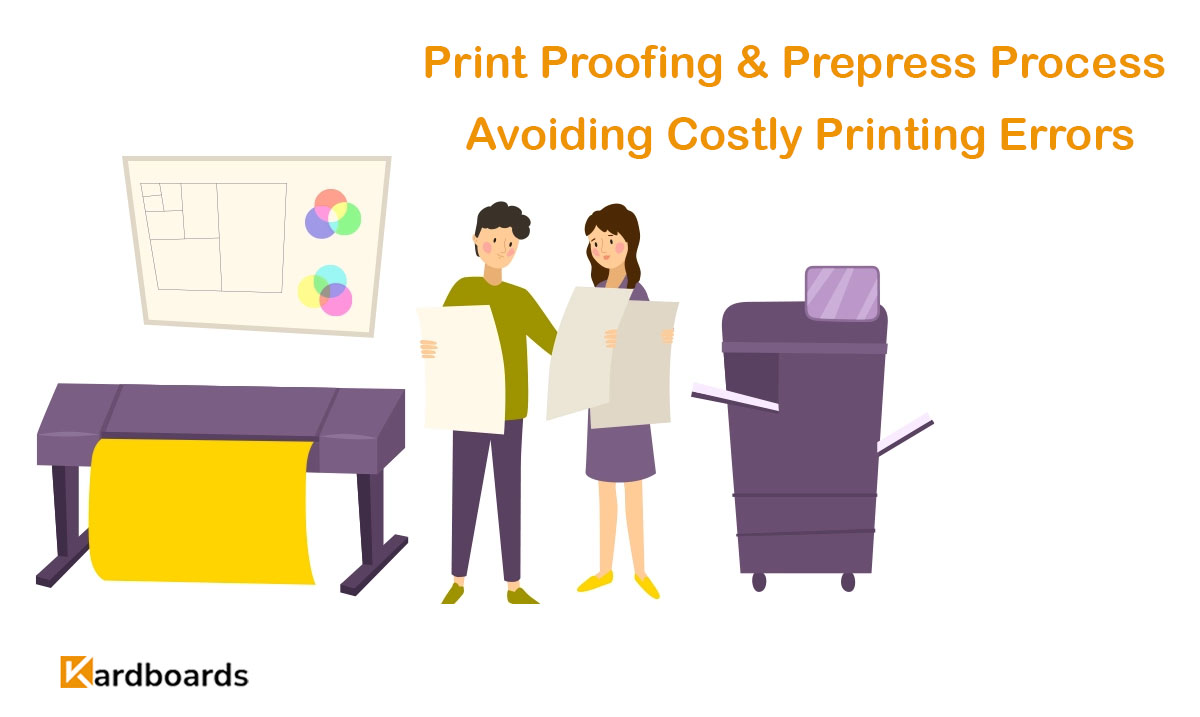
Printing errors can be extremely costly—especially for large packaging or commercial print runs. A disciplined prepress printing process combined with accurate print proofing is the most effective way to prevent mistakes, protect timelines, and ensure brand consistency across markets.
What Is the Prepress Printing Process?
Prepress refers to all steps taken between final design approval and the actual printing stage.
- Artwork file verification
- Color management and conversion
- Layout imposition and trapping
- Proof generation and approval
- Plate preparation for offset printing
Critical Control Point: Most printing defects originate in prepress—not on the press itself.
Common Printing Errors Caused by Poor Prepress
Without proper checks, small design issues can multiply into large-scale losses.
- Incorrect color conversion (RGB vs CMYK)
- Low-resolution images or pixelation
- Font substitution or missing fonts
- Misaligned dielines or bleed errors
- Incorrect barcode scaling or placement
Print Proofing: The First Line of Defense
Print proofing allows brands to preview how artwork will appear once printed—before mass production begins.
- Identifies color, layout, and text errors
- Confirms dieline alignment and finishing areas
- Ensures compliance with brand guidelines
- Prevents expensive reprints and delays
Types of Print Proofs Explained
Different proofing methods serve different accuracy needs.
- Soft proofs: Digital PDFs for layout and content review
- Digital color proofs: Calibrated inkjet proofs for color evaluation
- Hard copy proofs: Physical samples on similar substrates
- Press proofs: Printed directly on production press for final validation
Best Practice: Press proofs are recommended for premium packaging and large-volume orders.
Color Management in Prepress
Accurate color reproduction depends on strict color control before printing begins.
- ICC color profiles matched to press and substrate
- Pantone-to-CMYK conversion verification
- Ink limit and dot gain control
- Spectrophotometer-based color validation
Dielines, Bleed & Structural Accuracy
Packaging printing requires exact structural alignment.
- Correct bleed margins to prevent white edges
- Accurate fold and cut lines
- Safe zones for text and logos
- Compatibility with finishing techniques
Printing Error Prevention for Large Runs
Once printing begins, errors scale quickly. Prevention is essential.
Cost Protection: Fixing an error at prepress costs far less than correcting it after printing.
- Standardized preflight checklists
- Multiple approval stages
- Locked artwork versions
- Batch traceability and documentation
How Kardboards Ensures Error-Free Printing
Kardboards applies a structured, export-grade prepress workflow:
- Dedicated prepress specialists
- Automated and manual file preflight checks
- Certified color management systems
- Client-approved proofs before mass production
- Clear sign-off protocols for global brands
Frequently Asked Questions
Is print proofing necessary for every project?
Yes. Proofing is essential for preventing errors, especially in packaging and large runs.
What is the most common prepress mistake?
Incorrect color mode and missing bleed are among the most frequent issues.
Can digital proofs replace physical proofs?
Digital proofs help, but physical or press proofs provide the highest accuracy.
Who should approve the final proof?
Brand owners or authorized decision-makers should approve final proofs.
Does proper prepress reduce overall costs?
Absolutely. Error prevention saves time, materials, and reprint expenses.