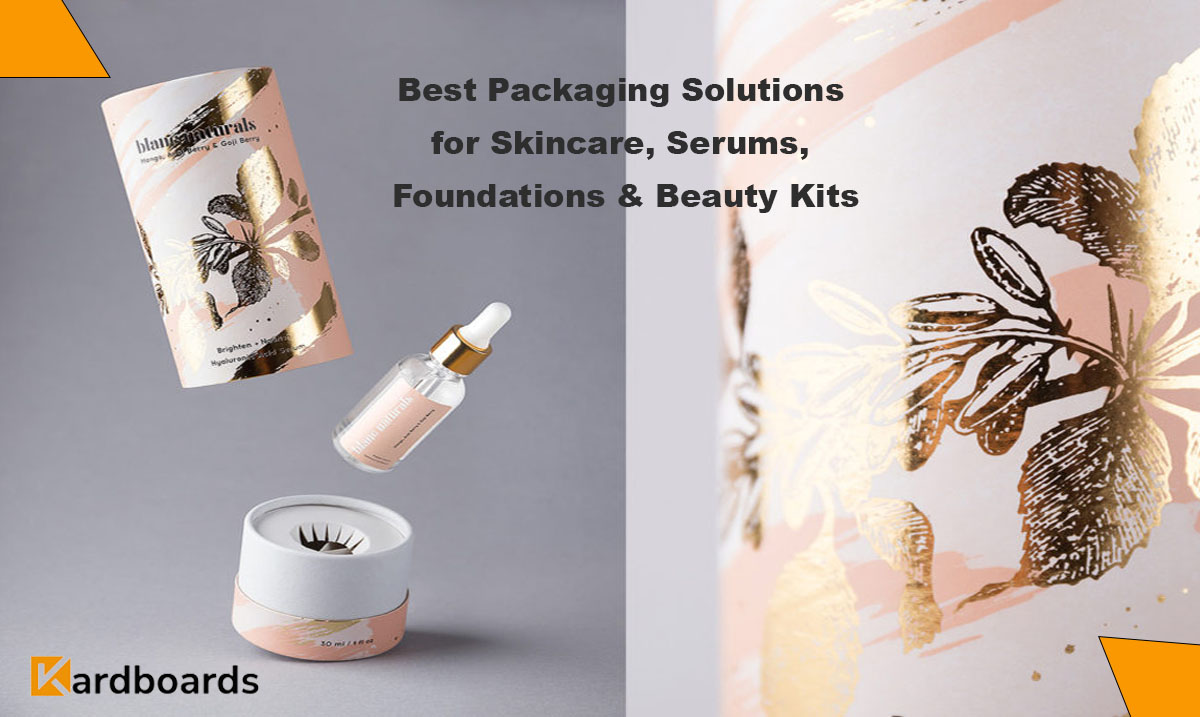
Choosing the right packaging for skincare and cosmetic products requires balancing product protection (light, oxygen, contamination), user convenience, brand positioning and sustainability. Below we outline the best-in-class solutions for serums, foundations, and multi-item beauty kits — plus material and finishing recommendations that help your products perform and sell.
1. Serums: Airless & Light-Protective Systems
Serums are typically concentrated and oxygen-sensitive. Packaging should minimise air exposure and maintain dose accuracy.
- Airless pumps: Prevent oxidation and microbial contamination; ideal for vitamin C, retinoids and active serums.
- Opaque glass or coated PET bottles: Block UV/light to protect photolabile ingredients.
- Dropper vials with inner seals: For formulas that require precise drops—use glass droppers with tamper-evident caps.
- Inner liners and sealing membranes: Extra barrier for long shelf-life and transport stability.
2. Foundations: Dosage, Finish & Dispensing
Foundations need controlled dispensing, hygienic use and often color-matching information on pack.
- Airless piston bottles: Maintain formula integrity while providing smooth dispensing and zero-waste delivery.
- Pump bottles with calibrated nozzles: Useful for liquid foundations where a measured pump reduces waste.
- Compacts and cushion systems: For cream or cushion foundations, choose refillable compacts with airtight seals to extend life.
- Clear swatch windows or detachable color cards: Help retail staff and customers match shades without opening the product.
3. Beauty Kits & Sets: Presentation, Protection & Modularity
Beauty kits must protect multiple components, look premium on shelf, and provide a delightful unboxing moment.
- Rigid setup boxes with custom inserts: High perceived value and excellent protection for luxe kits.
- Corrugated gift boxes with die-cut foam or molded pulp inserts: Cost-effective protection with eco options.
- Magnetic closures & ribbon pulls: Add tactile luxury for premium gift sets.
- Modular tray systems: Allow brands to mix & match SKUs and create refillable subscription boxes.
4. Tubes, Sachets & Travel-Friendly Options
For small volumes, travel sizes and single-use products:
- Laminated tubes (PE/PP): Flexible, hygienic and lightweight for creams and cleansers.
- Sachets and stick packs: Ideal for sampling, trials and promotions; choose recyclable or compostable laminates when possible.
- Travel sets with TSA-friendly materials: Lightweight PET or aluminum for carry-on compliance.
5. Material Choices — Barrier, Sustainability & Aesthetics
Materials determine shelf life, recyclability and tactile brand cues.
- Glass: Premium feel, excellent barrier for sensitive formulas; heavy but recyclable.
- Coated PET / RPET: Durable, shatterproof and available with recycled content for greener credentials.
- Aluminum: Great for tubes and aerosol-free pumps; lightweight and fully recyclable.
- Molded pulp and recycled board: Sustainable inserts or outer boxes — use when cushioning and eco messaging are priorities.
- EVOH and multi-layer laminates: For high-barrier requirements (moisture/oxygen protection) — ensure end-of-life plan due to mixed materials.
6. Closures, Dispensers & Dosing Accuracy
The interaction between user and product must be effortless and hygienic.
- Metered pumps: Useful for foundations and lotions to control dosage.
- Child-resistant caps for medicated skincare: Required where regulatory safety is a concern.
- Silicone seals and tamper-evident bands: Improve shelf life and consumer trust.
7. Printing, Finishing & Brand Experience
Design and finish are crucial for shelf impact and perceived quality.
- High-precision printing: Clean type, true color matching and fine details matter for premium cosmetics.
- Soft-touch coatings & satin laminations: Luxurious feel without expensive full-metal treatments.
- Selective foiling and embossing: Adds sophistication while keeping costs manageable (spot effects recommended).
8. Regulatory & Safety Considerations
Cosmetic and skincare packaging must comply with labeling and material safety regulations in target markets.
- Use FDA/EU-compliant inks and adhesives on direct-contact components.
- Clear mandatory labeling: Ingredient lists, batch codes, expiry and usage instructions must be legible and durable.
- Stability testing: Packaging must be validated under expected storage and transport conditions to ensure shelf-life claims.
Quick Selection Guide: For active serums pick airless, opaque containers → For liquid foundations choose calibrated pumps or cushion compacts → For premium kits use rigid setup boxes with custom inserts → For samples and travel, use recyclable tubes and sachets.
Frequently Asked Questions
Why use airless pumps for serums?
Airless pumps prevent oxygen exposure and contamination, preserving sensitive actives and extending shelf life.
Are glass bottles better than plastic?
Glass offers superior barrier properties and premium perception but is heavier and breakable. Coated PET or RPET offers a lighter, shatterproof alternative with recyclable options.
How can brands make beauty kits more sustainable?
Use mono-material trays, recycled board, molded pulp inserts, minimal laminations and design for recyclability or refillability.
What finishing gives the best luxury feel without breaking the budget?
Spot foiling, embossing on focal areas, and soft-touch varnish deliver premium tactile and visual cues cost-effectively.
Do barrier laminates affect recyclability?
Yes — multi-layer laminates can be harder to recycle. Choose recyclable mono-material solutions when possible or provide clear disposal instructions.