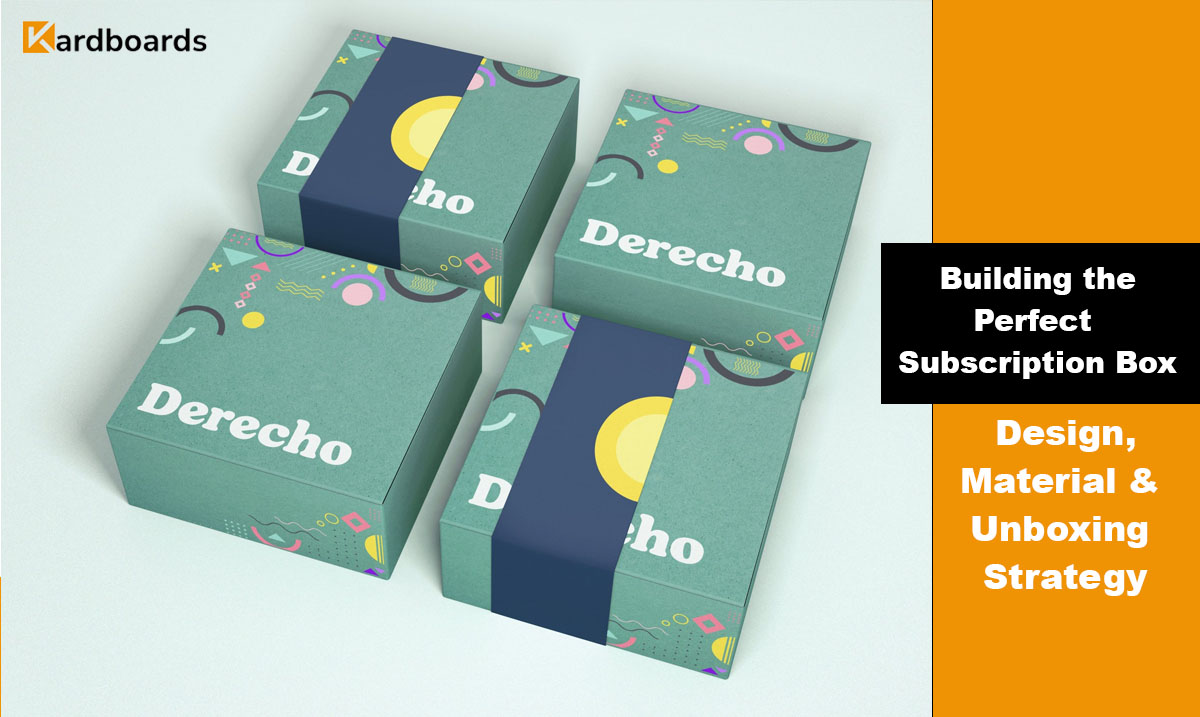
Subscription boxes are more than recurring shipments — they are recurring brand experiences. From beauty and food to lifestyle and tech, the success of a subscription business depends heavily on packaging design, material selection, and the emotional impact of the unboxing moment. This guide explains how to build the perfect subscription box that balances aesthetics, protection, cost, and sustainability.
Why subscription box packaging matters
Unlike one-time purchases, subscription boxes arrive repeatedly. Packaging must remain exciting while being practical for scale.
- Customer retention: A memorable unboxing encourages renewals and social sharing.
- Brand storytelling: Packaging communicates brand values before the product is touched.
- Operational efficiency: Consistent box design speeds up packing and reduces errors.
- Perceived value: Premium packaging justifies subscription pricing.
Step 1 — Choosing the right box structure
The structure defines both protection and presentation:
- Die-cut mailer boxes: Most popular choice; easy to assemble, clean edges, and great for branding.
- Auto-lock bottom boxes: Faster packing for high-volume subscription fulfillment.
- Two-piece rigid boxes: Used for luxury or limited-edition subscription offerings.
- Corrugated tuck-top boxes: Balance strength with cost-efficiency for heavier items.
Design insight: Subscription boxes should open smoothly without tools — friction ruins the unboxing moment.
Step 2 — Selecting materials that balance cost & quality
Material choice impacts durability, sustainability, and customer perception:
- Corrugated cardboard: Lightweight, strong, and ideal for shipping-heavy subscription models.
- Rigid paperboard: Premium feel for curated or high-end subscriptions.
- Recycled kraft board: Popular for eco-conscious and minimalist brands.
- Coated vs uncoated: Matte or soft-touch finishes feel premium; uncoated suits natural branding.
Step 3 — Internal packaging & product organization
Interior structure ensures protection and visual order:
- Custom inserts: Die-cut cardboard or molded pulp keeps items secure.
- Tissue paper & wraps: Adds anticipation and softness to the reveal.
- Compartments: Prevents product movement and creates a curated layout.
- Printed liners: Reinforce branding without additional materials.
Step 4 — Designing the unboxing experience
The unboxing experience drives emotional connection and social sharing:
- Exterior first impression: Clean branding, minimal text, bold colors.
- Interior reveal: Branded message, thank-you note, or subscription story.
- Layered discovery: Products revealed step-by-step increase excitement.
- Personalization: Printed names, inserts, or QR codes enhance engagement.
Marketing boost: Instagrammable unboxing increases organic reach and lowers customer acquisition costs.
Step 5 — Branding elements that build loyalty
- Consistent color palette: Reinforces brand recall across shipments.
- Typography & messaging: Clear, friendly language builds trust.
- Seasonal variations: Limited-edition prints keep subscriptions fresh.
- QR codes: Link to tutorials, community pages, or upcoming previews.
Step 6 — Sustainability considerations
Modern subscribers expect eco-conscious packaging:
- Use recyclable or compostable materials.
- Avoid plastic laminations and mixed materials.
- Print with water-based or soy inks.
- Clearly communicate disposal or recycling instructions.
Step 7 — Cost optimization for scaling subscriptions
- Standardize box sizes: Reduces tooling and inventory costs.
- Lightweight engineering: Lowers shipping and DIM weight charges.
- Bulk sourcing: Improves unit pricing as subscriber count grows.
- Prototype testing: Avoids expensive redesigns after launch.
Scaling tip: Design packaging for peak volume from day one to avoid mid-growth changes.
Frequently Asked Questions
What is the best box type for subscription businesses?
Die-cut corrugated mailer boxes are the most popular due to their balance of cost, durability, and branding flexibility.
How important is unboxing for customer retention?
Extremely important. A positive unboxing experience reinforces brand value and encourages customers to continue their subscription.
Can subscription boxes be sustainable?
Yes. Using recyclable materials, minimal ink coverage, and plastic-free inserts makes subscription packaging eco-friendly.
How often should subscription box designs change?
Core structure should remain consistent, but interior prints, inserts, or themes can change seasonally to keep the experience fresh.
Is premium packaging worth the cost for subscriptions?
For curated and high-value subscriptions, premium packaging increases perceived value and customer loyalty, often justifying the cost.