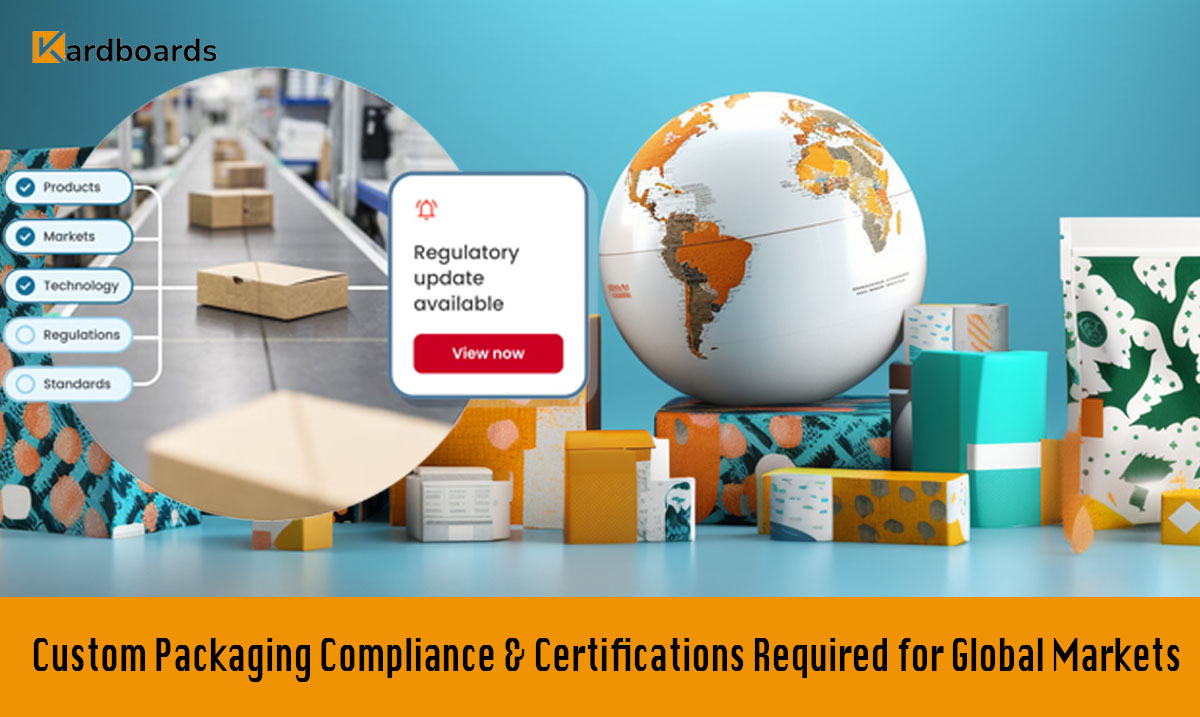
As brands expand across borders, packaging compliance has become a critical requirement—not just a legal formality. Global markets demand packaging that meets environmental, safety, and quality regulations to ensure smooth customs clearance and brand credibility.
Choosing a certified ISO packaging manufacturer and using compliant materials such as FSC packaging helps brands avoid shipment delays, penalties, and reputational risks.
Why Packaging Compliance Matters in Global Trade
Packaging regulations vary across regions, but non-compliance can lead to severe consequences.
- Customs clearance delays and shipment rejection
- Fines and legal penalties
- Product recalls and re-packaging costs
- Damage to brand trust and sustainability claims
Global Reality: Many international buyers now require certified packaging as a prerequisite for supplier approval.
Key Packaging Certifications for Global Markets
Several internationally recognized certifications ensure packaging meets quality, safety, and sustainability benchmarks.
- ISO 9001: Quality management systems for consistent production
- ISO 14001: Environmental management standards
- FSC Certification: Responsible sourcing of paper and cardboard
- RoHS & REACH: Restriction of hazardous substances
FSC Packaging: Sustainable & Globally Accepted
FSC packaging ensures that paper-based materials come from responsibly managed forests. This certification is widely recognized in Europe, North America, and Asia.
- Supports sustainability and eco-conscious branding
- Meets retailer and government environmental requirements
- Enhances brand reputation in competitive markets
ISO Packaging Manufacturers: What They Offer
An ISO packaging manufacturer follows structured processes that improve consistency and traceability.
- Standardized production and inspection workflows
- Documented quality control systems
- Reduced defect rates and improved delivery reliability
- Greater buyer confidence for long-term partnerships
Buyer Insight: ISO certification is often mandatory for enterprise and government contracts.
Regional Packaging Compliance Requirements
Different regions impose specific packaging rules that exporters must understand.
- European Union: Packaging Waste Directive, REACH, FSC sourcing
- United States: FDA packaging rules, CPSIA for consumer goods
- Asia-Pacific: Recycling labels and material safety compliance
Compliance for Export & Logistics Packaging
Export packaging must comply not only with product regulations but also with logistics standards.
- ISPM-15 certification for wooden packaging
- Clear labeling and handling symbols
- Durability testing for international transit
How Certified Packaging Reduces Business Risk
Investing in compliant packaging lowers operational and financial risks.
- Faster customs clearance
- Lower risk of shipment rejection
- Improved retailer acceptance
- Stronger ESG and sustainability positioning
Choosing the Right Packaging Partner
Working with a certified manufacturer like Kardboards ensures your packaging meets global compliance standards while maintaining design and cost efficiency.
From FSC packaging to ISO-certified production, compliant packaging is a strategic investment—not just a regulatory requirement.
Frequently Asked Questions
What is packaging compliance?
Packaging compliance ensures materials and manufacturing meet legal, safety, and environmental regulations in target markets.
Why is FSC certification important?
FSC certification guarantees responsible forest management and is widely required by global retailers.
Is ISO certification mandatory for packaging manufacturers?
While not always mandatory, many international buyers require ISO-certified suppliers.
Does non-compliant packaging cause shipment delays?
Yes. Non-compliance can result in customs holds, fines, or rejected shipments.
Can one packaging solution meet all global standards?
With proper planning and certified materials, packaging can be designed to meet multiple international regulations.