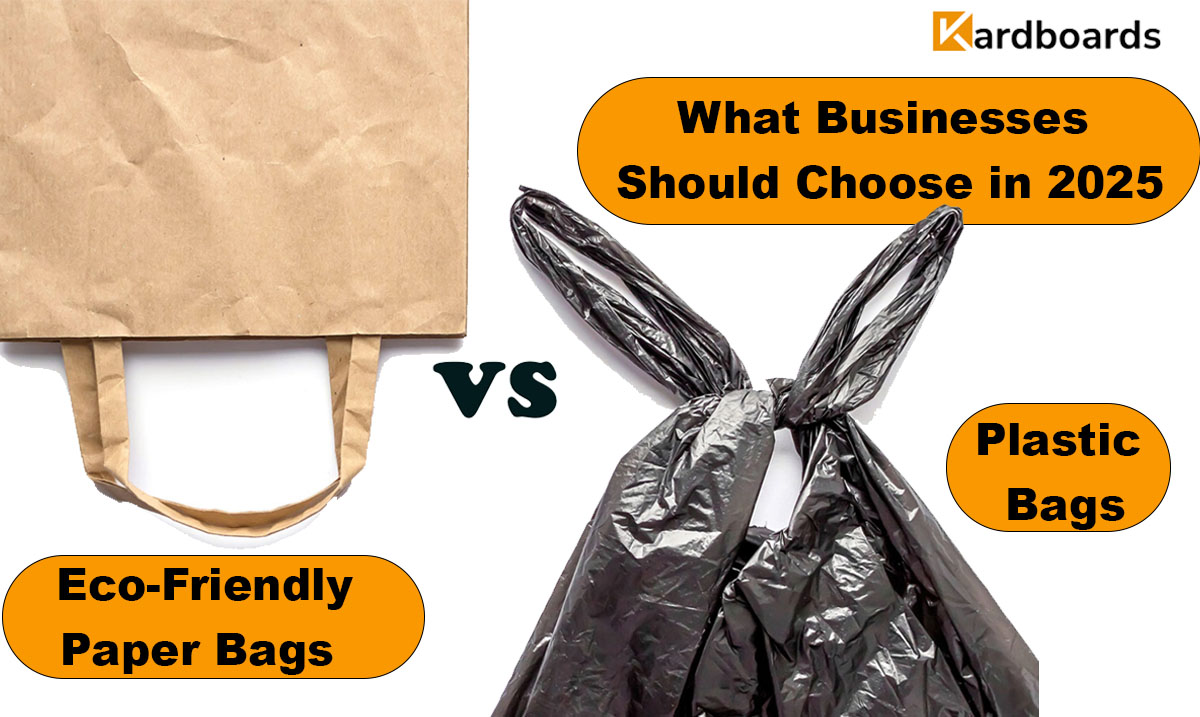
Choosing between paper bags and plastic bags is no longer just a cost decision — it’s a strategic choice that affects brand reputation, compliance, waste streams and customer perception. In 2025, tighter regulations, rising consumer demand for sustainable packaging, and improvements in recycled materials make this decision more nuanced. This article compares both options across the most important dimensions for businesses.
Environmental Impact: Life-cycle View
Paper Bags (especially kraft and recycled paper) are biodegradable, widely compostable (where facilities exist), and sourced from renewable fibers when FSC certified. However, paper production can consume more water and energy per unit than some plastics — the net benefit depends on recycled content and end-of-life handling.
Plastic Bags (thin single-use films) are energy-efficient to produce and lightweight (reducing transport emissions), but conventional plastics persist in the environment and create ocean pollution. Advances in recycled PE/PP and chemical recycling are improving their footprint, though recycling rates remain uneven globally.
Recyclability & End-Of-Life
- Paper Bags: Recyclable in paper streams if free from heavy coatings, foil, or mixed materials. Compostable paper bags succeed only where industrial composting exists.
- Plastic Bags: Technically recyclable (PE/PP) but require clean collection systems. Many municipal programs don’t accept film at curbside; drop-off schemes or manufacturer takeback improve outcomes.
Practical rule: Choose the material that your local recycling/composting infrastructure actually supports — otherwise ‘eco’ claims are meaningless to end-of-life outcomes.
Durability & Function
Plastic films excel in tear resistance, moisture protection and lightweight carrying capacity. Paper bags—particularly multi-ply kraft or reinforced paper—offer respectable strength for retail and gift bags but may fail with very heavy or wet loads unless laminated or treated (which can hurt recyclability).
- Retail & Fashion: Paper provides premium feel and printability — ideal for branding and gift presentation.
- Grocery & Fresh Foods: Plastic films and reusable thicker plastic/PE bags remain practical due to moisture resistance; paper can be used for dry goods and produce when properly designed.
Branding & Customer Perception
Paper bags convey an immediate sustainability and premium message — they photograph well, accept high-quality printing and embossing, and support tactile finishes. For brands focusing on eco credentials or premium retail, paper often outperforms plastic in perceived value.
Plastic can be branded effectively too, but consumer sentiment in many markets favors paper as the greener alternative — especially when the bag uses recycled content and clear end-of-life instructions.
Cost Considerations
At scale, thin plastic bags are usually cheaper per unit than printed multi-ply paper bags. But total cost analysis should include:
- Shipping (paper is heavier)
- Storage and handling
- Potential regulatory fees or plastic taxes
- Brand value and marginal increase in conversion or willingness to pay
Tip: Account for upcoming regional bans and levies in your cost model — a low upfront cost for plastic may carry future compliance costs that exceed paper alternatives.
Regulatory Context (2025)
Many markets now regulate single-use plastics with bans, levies or mandatory recycled content. Paper often faces fewer restrictions but may be subject to labeling and sustainability claims regulation. Always check local rules for single-use restrictions, required recyclability disclosures and packaging waste regulations.
Practical Recommendations — Which To Choose?
- Choose Paper If: You want premium branding, easy consumer recycling, and a clear sustainability message (use uncoated kraft or recycled paper for best recyclability).
- Choose Plastic Film If: You need moisture resistance, lowest possible weight, or extreme durability (prefer recycled PE/PP and plan for film take-back or collection schemes).
- Consider Reusable Options: Heavy-duty woven or multi-use textile bags deliver the best long-term environmental outcome when customers reuse them frequently.
- Hybrid Approach: Use paper for retail/gift use and recycled/plastic film for grocery/fresh food — communicate clearly which bag should be recycled or composted.
Design Best Practices for Eco Outcomes
- Keep materials mono-material (no mixed plastic/foil) to preserve recyclability.
- Prefer water-based inks and minimal laminations.
- Use clear labeling: “Recycle where accepted” or “Compostable only in industrial facilities” to avoid consumer confusion.
- Use FSC certification and recycled content claims backed by certificates to strengthen credibility.
Frequently Asked Questions
Are paper bags always more sustainable than plastic?
Not always — sustainability depends on production methods, recycled content, transportation impact, and how the bag is disposed of. Paper scores well when recycled or composted, but lifecycle assessments can vary by region and use case.
Can coated or laminated paper bags be recycled?
Heavily coated or laminated paper is difficult to recycle in standard paper streams. Use minimal or water-based coatings if recyclability is a priority.
What is the best choice for wet or heavy items?
Durable plastic film or reinforced reusable bags are better for wet or heavy loads. If you must use paper, opt for reinforced multi-ply kraft and consider a thin internal liner that is recyclable or compostable.
How should businesses communicate proper disposal to customers?
Use plain, visible icons and short text: e.g., “Recycle with paper,” “Drop-off at film collection,” or “Industrial compost only.” Provide web or QR resources for detailed instructions.
Are compostable plastic bags a good alternative?
Compostable plastics can be beneficial but require industrial composting facilities to break down properly. If local infrastructure is absent, compostable claims may not lead to better environmental outcomes.
Bottom line: There’s no one-size-fits-all answer. In 2025 the best choice depends on your product type, local recycling infrastructure, regulatory environment, and brand positioning. For many retail brands, uncoated/recycled paper bags offer the best balance of sustainability, consumer perception and printability — while recycled film or reusable bags remain the right choice for moisture-sensitive or repeat-use cases.