In today’s food industry, packaging must meet strict safety regulations while also aligning with sustainability goals and consumer expectations. Food-grade paperboard cartons have emerged as one of the most reliable and versatile packaging solutions, offering protection, compliance, and eco-friendly performance across multiple food categories.
What Are Food-Grade Paperboard Cartons?
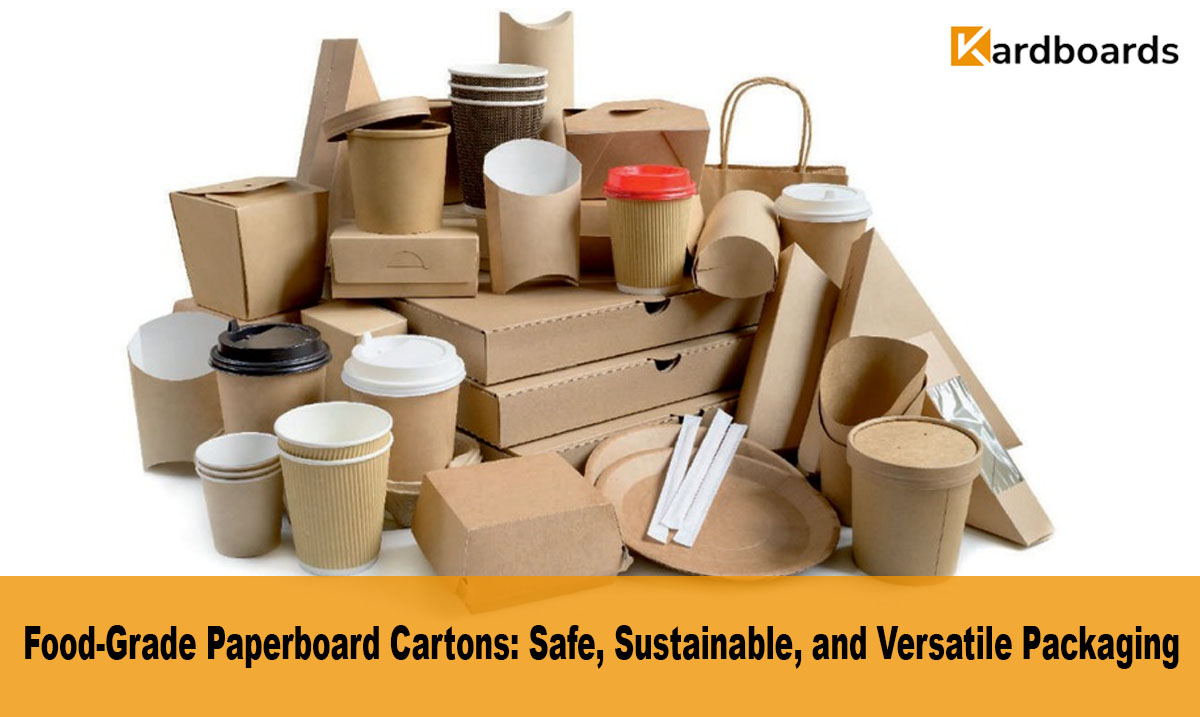
Food-grade paperboard cartons are packaging boxes made from specially treated paperboard materials that are safe for direct or indirect contact with food. These cartons are engineered to prevent contamination, preserve freshness, and maintain structural integrity during transport and storage.
- Manufactured using FDA- and EU-compliant paperboard
- Free from harmful chemicals and toxic inks
- Designed for dry, frozen, and certain grease-resistant food products
Key Safety Benefits for Food Packaging
Food safety is non-negotiable. Paperboard cartons provide multiple layers of protection that help maintain food quality and hygiene.
- Barrier Protection: Coatings and liners prevent moisture, grease, and odor transfer.
- Contamination Control: Clean manufacturing environments reduce risk of foodborne contamination.
- Tamper Visibility: Carton designs can clearly show signs of opening or damage.
Regulatory Compliance: Properly certified food-grade cartons meet FDA, EU, and international food safety packaging standards.
Sustainability Advantages of Paperboard Cartons
Sustainability is a major driver in modern packaging decisions. Paperboard cartons offer clear environmental advantages over plastic-based alternatives.
- Made from renewable and recyclable materials
- Compatible with FSC-certified paper sourcing
- Lower carbon footprint compared to plastic and metal packaging
- Supports circular economy initiatives
Versatile Applications Across the Food Industry
Food-grade paperboard cartons are used across a wide range of food categories due to their adaptability and cost efficiency.
- Bakery & Confectionery: Cakes, cookies, chocolates, and pastries
- Dry Foods: Cereals, grains, tea, coffee, and spices
- Frozen Foods: Ready meals, snacks, and desserts
- Quick-Service & Takeaway: Food delivery and takeaway packaging
Printing, Branding, and Customization
Beyond protection, food packaging plays a key role in marketing. Paperboard cartons allow for high-quality printing and customization.
- High-resolution offset and flexographic printing
- Food-safe inks and coatings
- Custom shapes, die-cuts, and window options
- Brand storytelling through sustainable packaging design
Why Food Brands Choose Kardboards
- Certified Materials: Strict adherence to global food safety standards
- Sustainable Manufacturing: Eco-friendly processes and materials
- Custom Solutions: Tailored carton designs for specific food products
- Export-Ready Quality: Packaging suitable for global distribution
Frequently Asked Questions
Are paperboard cartons safe for direct food contact?
Yes, food-grade paperboard cartons are manufactured using certified materials and coatings approved for direct or indirect food contact.
Can paperboard cartons handle greasy or moist foods?
With appropriate barrier coatings or liners, paperboard cartons can safely package greasy and moisture-sensitive foods.
Are paperboard food cartons recyclable?
Most paperboard cartons are recyclable and biodegradable, especially when made with water-based coatings.
What printing inks are used for food packaging cartons?
Food-safe, low-migration, and water-based inks are commonly used to ensure safety and compliance.
Can Kardboards customize food-grade cartons?
Yes, Kardboards offers fully customized food-grade paperboard cartons, including size, structure, and branding options.