Magnetic closure boxes are rigid, well-engineered packaging solutions that use embedded magnets to create a smooth, repeatable, and satisfying open/close action. Beyond the 'wow' of a premium unboxing, they solve practical needs: secure closure, repeat use, brand perception and product protection. This guide explains why luxury brands favour magnetic boxes, the design and material choices, production considerations, sustainability options, and typical applications.
What Is A Magnetic Closure Box?
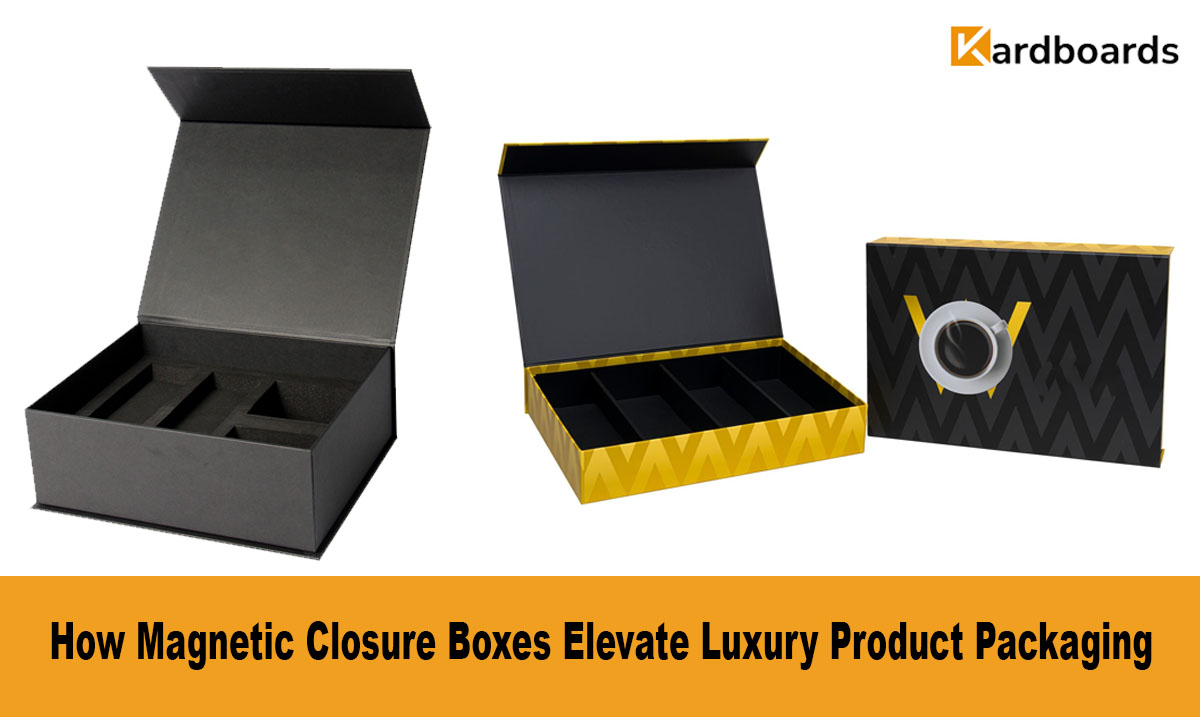
At its core, a magnetic closure box is a rigid box (often drawer, two-piece or flip-top style) with thin magnets embedded into the board or sleeve. When the lid meets the base, magnets align to hold the box closed — no snaps, no tapes, just a seamless magnetic seal.
- Common styles: Hinged rigid box (tray and lid), drawer (slide-out), and sleeve boxes with magnetic flaps.
- Magnet types: Flexible strip magnets or discrete neodymium/magnetic foils — chosen based on holding strength and cost.
- Typical tolerances: ±0.5mm engineering tolerances for magnet pockets and board assembly ensure reliable closure and clean edges.
Why Brands Use Magnetic Closure Boxes
- Premium Unboxing Experience: The soft snap of a magnetic closure feels luxurious and memorable — a small sensory detail that raises perceived value.
- Repeatability & Reuse: Unlike glued closures, magnetic boxes can be opened and closed multiple times without wear — ideal for luxury goods that customers store and reuse.
- Secure Yet Discreet: Magnets provide secure hold without visible hardware, keeping the exterior clean for pristine branding.
- Customization Friendly: Supports high-precision printing, foil, embossing, soft-touch laminates and custom inserts for product presentation.
Material & Construction Options
Choosing the right materials is key to balancing aesthetics, durability and sustainability:
- Rigid chipboard cores: 1000–2000 gsm pack boards for structural strength.
- Cover materials: Uncoated/coated paper, metallic boards, textured papers or soft-touch lamination for tactile luxury.
- Magnet placement: Precision-cut pockets or adhesive magnets recessed into the box for flush finish and reliable alignment.
- Inserts & cushions: EVA foam, molded pulp, or molded PE foam to cradle products and complement the premium look.
Design Considerations & Best Practices
- Balance holding force: Choose magnet strength to match product weight — too strong makes opening awkward; too weak risks accidental opening.
- Hide magnets cleanly: Recess magnets in pockets or under the covering paper to preserve surface aesthetics.
- Edge finishing: Pay attention to mitred corners, skived edges and edge-glue quality for a luxury finish.
- Prototyping: Produce physical prototypes to validate snap feel, alignment, and insert fit before tooling runs.
Production tip: Test 10–20 sample cycles to ensure magnet retention and lid alignment across temperature/humidity variations — critical for export markets.
Sustainability Options
Luxury doesn’t have to compromise on green credentials. Several eco-friendly choices exist for magnetic boxes:
- Recycled & FSC paper covers: Maintain premium look with certified materials.
- Molded pulp inserts: Replace foam with recyclable alternatives for inner protection.
- Low-impact magnets: Use thin flexible magnetic strips over heavier rare-earth magnets where suitable.
- Water-based adhesives & inks: Reduce VOCs while preserving print quality and finishing options.
Cost & Commercial Considerations
Magnetic closure boxes are positioned in mid-to-high price tiers due to materials and assembly complexity. Key cost drivers include board GSM, magnet type, finishing (foil, emboss), and insert complexity. Strategies to optimize cost:
- Standardize sizes: Reduce tooling and make production runs more efficient.
- Hybrid finishing: Combine one standout finish (foil or emboss) with simpler surfaces elsewhere to cut spend.
- Shared tooling or modular inserts: Use modular inserts across SKUs to lower per-unit tooling costs.
Use Cases Across Industries
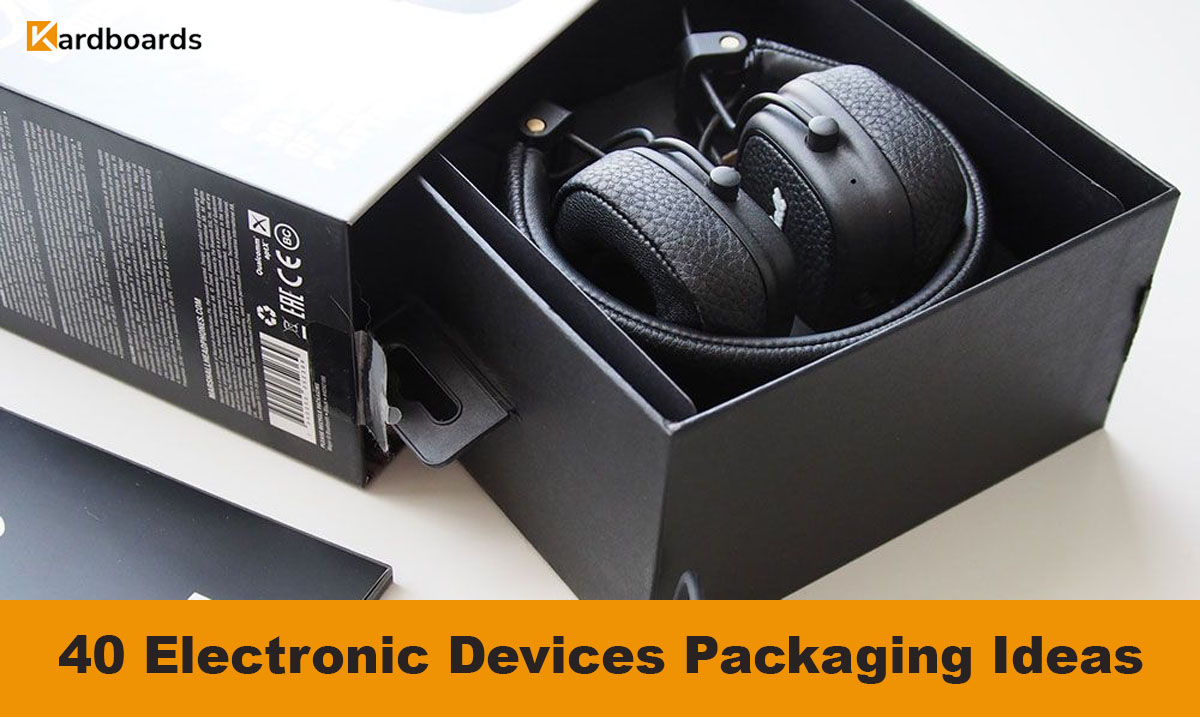
- Consumer Electronics: Premium phone or headphone boxes with snug inserts and cable compartments.
- Jewellery & Watches: High-end presentation boxes that double as storage cases.
- Beauty & Cosmetics: Luxury gift boxes for skincare sets or limited-edition collections.
- Gifting & Subscription: Reusable packaging that increases perceived value and encourages retention.
Key takeaway: Magnetic closure boxes deliver a powerful combination of sensory luxury, functional security, and repeatable use — making them an excellent investment for brands that want to elevate perceived value and customer loyalty.
Frequently Asked Questions
Are magnetic closure boxes reusable?
Yes — they are designed for repeated opening and closing and often used by customers as storage keepsakes, increasing lifecycle value.
Do magnets affect electronics?
Thin flexible magnets used in packaging generally do not affect modern electronics like phones or SSDs when placed in external packaging. For sensitive items, test prototypes or use shielding inserts.
Can magnetic boxes be made sustainable?
Absolutely — by using recycled/FSC papers, molded pulp inserts, flexible magnet strips, and water-based inks, brands can reduce environmental impact while keeping luxury appeal.
How much do magnetic closure boxes cost compared to standard rigid boxes?
They typically cost more due to magnets and assembly, but smart design, standardized sizes and optimized finishing can control costs and improve ROI through enhanced brand value and reduced returns.
What should I prototype before placing a full order?
Prototype the box structure, magnet placement/strength, insert fit, and finishing options. Verify opening force, alignment, and durability across multiple cycles and environmental conditions.