In developed markets such as the United States, Europe, Japan, and Australia, consumers are highly discerning. Product quality is often assumed, making packaging design impact a decisive factor in shaping perception. For premium and established brands, consumer trust packaging begins long before the product is used—it starts the moment the package is seen and touched.
Why Consumer Trust Is Harder to Earn in Developed Markets
Consumers in mature markets are exposed to countless brands and products daily. As a result:
- Visual skepticism is high
- Low-quality packaging signals low product credibility
- Brand authenticity is constantly evaluated
- Design consistency is expected, not optional
Market Reality: In developed markets, packaging is perceived as a direct reflection of a brand’s values and reliability.
The Psychological Link Between Packaging Design and Trust
Packaging design communicates trust subconsciously. Elements such as structure, materials, and finishes influence how consumers judge a brand within seconds.
- Clean layouts suggest transparency
- Balanced proportions signal professionalism
- Premium materials imply product integrity
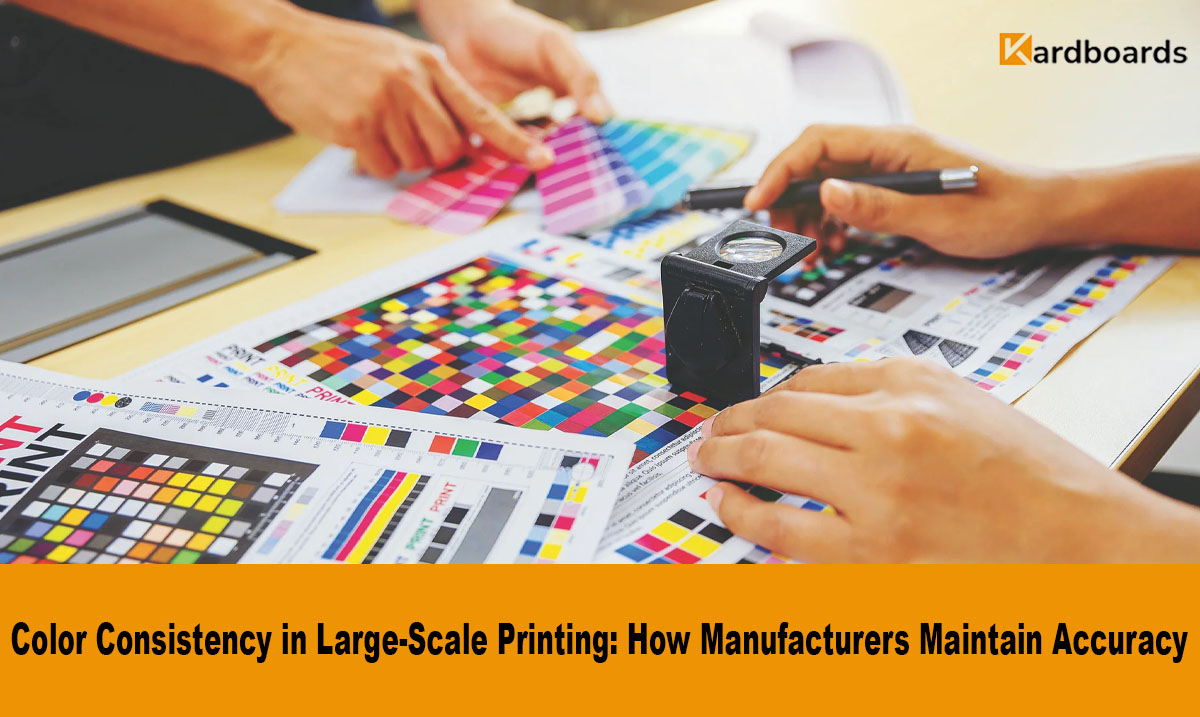
- Precision printing reflects attention to detail
This psychological response makes packaging a silent but powerful trust-building tool.
Consistency Builds Brand Credibility
One of the most critical aspects of premium brand packaging is consistency. Developed-market consumers quickly notice inconsistencies in:
- Logo placement and sizing
- Brand colors and typography
- Material quality across SKUs
- Structural integrity of packaging
Trust Signal: Consistent packaging reinforces brand reliability and long-term commitment.
Material Quality as a Trust Indicator
In premium markets, packaging materials act as quality proof:
- Rigid boxes convey durability and value
- Textured paperboards enhance tactile confidence
- Sustainable materials signal ethical responsibility
- Protective structures imply product care
Consumers often equate packaging durability with product performance.
Minimalism and Clarity in Developed Markets
Over-designed or cluttered packaging can reduce trust. Many developed-market consumers prefer:
- Minimalist visual language
- Clear product information
- Readable typography
- Intentional use of space
This approach aligns with transparency and authenticity—two key trust drivers.
Premium Finishes and Perceived Authenticity
Premium finishing techniques strengthen trust when used intentionally:
- Embossing and debossing add tactile credibility
- Foil stamping reinforces brand legitimacy
- Soft-touch coatings suggest refinement
- Precision die-cutting reflects craftsmanship
Design Insight: Premium finishes should enhance—not distract from—brand messaging.
Packaging Design in E-Commerce Trust Building
In online shopping, packaging becomes even more critical:
- It replaces the in-store brand experience
- Unboxing reinforces purchase confidence
- Protective design reduces return anxiety
- Visual quality supports social sharing
A poor unboxing experience can permanently damage consumer trust.
Sustainability as a Trust Requirement
In developed markets, sustainability is no longer optional:
- Eco-friendly materials improve brand credibility
- Clear sustainability messaging builds transparency
- Over-packaging erodes trust
- Certifications reinforce authenticity
How Kardboards Helps Brands Build Trust Through Packaging
Kardboards supports global brands by delivering packaging that aligns with developed-market expectations:
- Premium structural and visual design
- Consistent brand execution across SKUs
- High-quality materials and finishes
- Compliance with US and EU standards
Frequently Asked Questions
How does packaging design impact consumer trust?
Packaging design influences perception of quality, reliability, and brand authenticity.
Why is premium packaging important in developed markets?
Consumers expect higher standards and associate premium packaging with trustworthy brands.
Does minimalist packaging increase trust?
Yes, when done well, minimalism signals clarity, transparency, and confidence.
Can poor packaging reduce brand trust?
Absolutely. Low-quality or inconsistent packaging can quickly erode consumer confidence.
How can brands improve trust through packaging?
By focusing on consistency, quality materials, clear design, and sustainability.