As global food brands face increasing pressure to improve sustainability, food safety, shelf appeal, and logistics efficiency, paperboard cartons have emerged as one of the most transformative packaging solutions in modern food packaging. From dry foods and frozen meals to beverages and ready-to-eat products, paperboard cartons offer unmatched versatility.
What Are Paperboard Cartons?
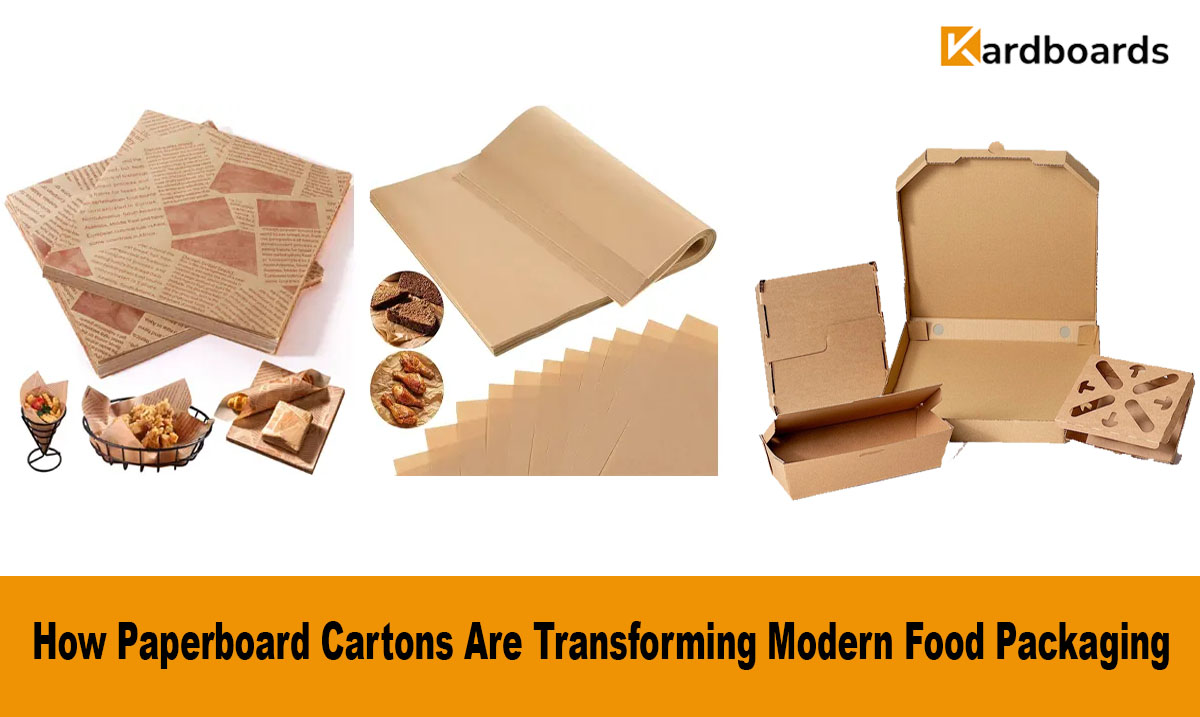
Paperboard cartons are packaging containers made from food-grade paperboard, often combined with protective coatings or barrier layers. They are widely used for cereals, dairy products, frozen foods, bakery items, beverages, and takeaway meals.
- Folding cartons
- Gable-top cartons
- Liquid packaging cartons
- Coated food-grade paperboard boxes
Why Paperboard Cartons Dominate Modern Food Packaging
1. Food Safety and Hygiene
Paperboard cartons are manufactured using FDA, EU, and FSSAI-compliant materials. Advanced barrier coatings protect food from moisture, oxygen, light, and contamination while maintaining freshness.
2. Sustainability and Environmental Responsibility
With growing environmental awareness, brands are shifting toward renewable, recyclable, and biodegradable packaging. Paperboard cartons:
- Are sourced from renewable forests
- Have a lower carbon footprint than plastic
- Support recycling and circular economy models
- Enable plastic reduction initiatives
Sustainability Advantage: Paperboard cartons reduce plastic usage while maintaining structural strength and food protection.
3. Shelf Appeal and Branding Power
Paperboard offers an excellent surface for high-quality printing, allowing brands to create visually striking packaging with:
- High-resolution graphics
- Matte, gloss, or soft-touch finishes
- Spot UV, embossing, and foil stamping
- Clear product information and nutritional labeling
Performance Benefits for Food Manufacturers
- Lightweight: Reduces transportation costs
- Stackable: Improves storage and shelf efficiency
- Customizable: Supports multiple sizes and formats
- Cost-Effective: Ideal for both mass production and premium lines
Applications Across the Food Industry
Paperboard cartons are used extensively across food segments:
- Breakfast cereals and dry foods
- Dairy and plant-based beverages
- Frozen meals and snacks
- Bakery and confectionery products
- Takeaway and ready-to-eat packaging
Innovation in Paperboard Carton Packaging
Modern paperboard cartons integrate cutting-edge innovations such as:
- Water-based and bio-coatings
- Grease-resistant and moisture-resistant layers
- Smart QR codes for traceability
- Easy-open and reclose features
Why Food Brands Choose Kardboards
- Food-grade certified materials
- Advanced printing and finishing
- Export-ready manufacturing
- Sustainable carton solutions
- End-to-end customization
Frequently Asked Questions
Are paperboard cartons safe for food contact?
Yes. Food-grade paperboard cartons comply with international food safety standards and use approved coatings.
Can paperboard cartons replace plastic food packaging?
In many applications, yes. Modern barrier technologies allow paperboard cartons to replace plastic while maintaining shelf life.
Are paperboard cartons recyclable?
Most paperboard cartons are recyclable and contribute to sustainable packaging systems.
What foods are best suited for paperboard cartons?
Dry foods, frozen products, dairy, bakery items, snacks, and takeaway meals.
Does Kardboards offer custom food carton solutions?
Yes. Kardboards provides fully customized paperboard food cartons tailored to brand, product, and regulatory needs.