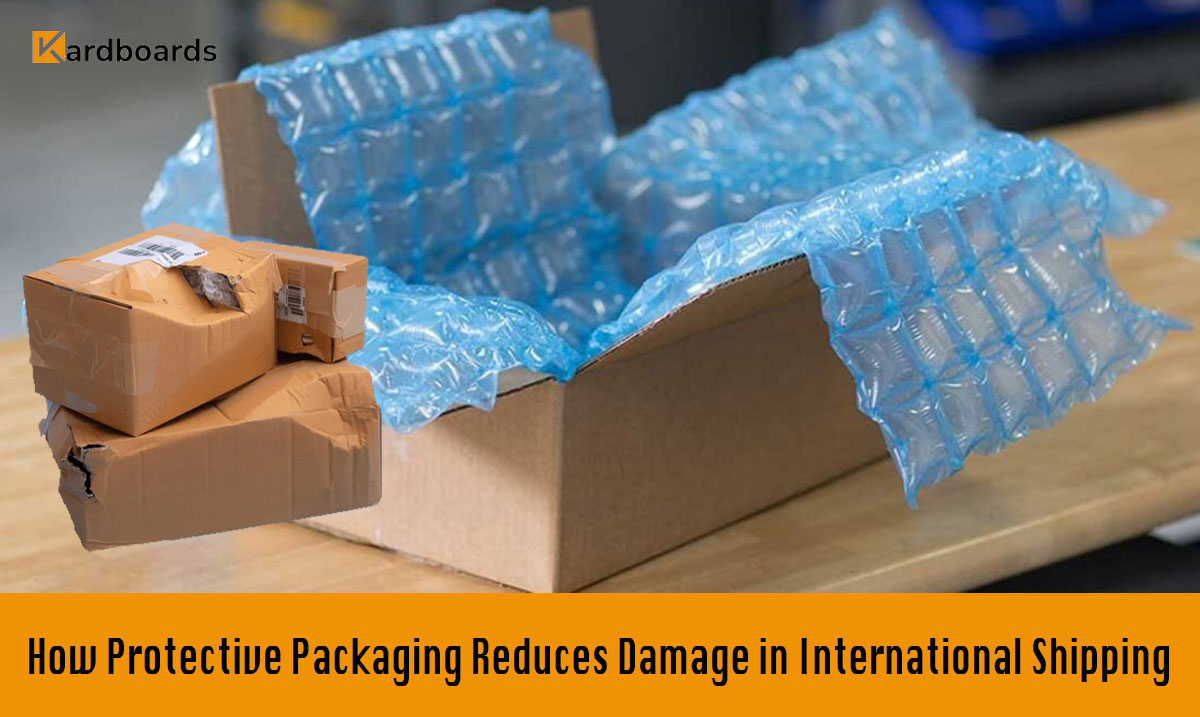
International shipping exposes products to long transit times, multiple handling points, climate changes, and stacking pressure. Without proper protective packaging, even high-quality products risk damage before reaching customers.
Well-designed export packaging and durable shipping boxes are essential for reducing losses, maintaining brand reputation, and ensuring smooth cross-border logistics.
Common Risks in International Shipping
Global transportation introduces risks that domestic shipping often does not.
- Repeated loading and unloading at ports and hubs
- Long-distance vibration and impact
- Humidity, temperature fluctuations, and condensation
- Compression from stacking in containers
- Customs inspections and repacking
Reality Check: Most shipping damage occurs during handling and transit—not manufacturing.
Role of Protective Packaging
Protective packaging is designed to absorb shock, prevent movement, and shield products from environmental stress.
- Minimizes breakage and deformation
- Stabilizes products during long journeys
- Protects against moisture and dust
- Reduces return rates and insurance claims
Export Packaging Materials That Reduce Damage
Material selection plays a critical role in international shipping performance.
- Corrugated Shipping Boxes: Multi-layer strength for compression resistance
- Molded Pulp & Foam Inserts: Shock absorption and product immobilization
- Rigid Boxes: Structural stability for high-value goods
- Moisture Barriers: PE liners, desiccants, and laminated coatings
Importance of Structural Box Design
Beyond materials, packaging structure determines how well a product survives transit.
- Double-wall and triple-wall corrugated boxes for export
- Custom-fit inserts to prevent internal movement
- Reinforced corners and edges
- Stacking strength matched to container loads
Expert Tip: Oversized boxes increase movement and damage risk—custom sizing is key.
Protective Packaging for Different Shipping Methods
Each transportation mode requires a tailored packaging approach.
- Sea Freight: Moisture-resistant materials and compression strength
- Air Freight: Lightweight yet impact-resistant packaging
- Road & Rail: Vibration control and edge protection
Compliance & International Standards
Export packaging must comply with international regulations to avoid delays and repacking.
- ISPM-15 compliance for wooden packaging
- Drop and compression testing standards
- Clear labeling and handling instructions
Cost Benefits of Proper Protective Packaging
Although high-quality packaging may seem like an added cost, it significantly reduces long-term expenses.
- Lower product damage and replacement costs
- Reduced insurance claims
- Improved customer satisfaction
- Stronger brand credibility in global markets
Why Protective Packaging Strengthens Brand Trust
Customers associate safe delivery with brand reliability. Strong, well-designed shipping boxes communicate professionalism and care—especially in international trade.
For exporters, protective packaging is not optional; it is a critical part of product quality assurance.
Frequently Asked Questions
What is protective packaging?
Protective packaging uses materials and structural design to prevent damage from impact, vibration, and environmental factors during shipping.
Why is export packaging different from domestic packaging?
Export packaging must withstand longer transit times, multiple handling points, and international shipping conditions.
What type of shipping boxes are best for international transport?
Double-wall or triple-wall corrugated boxes with custom inserts are ideal for international shipping.
How does moisture affect international shipments?
Humidity and condensation can weaken packaging and damage products, making moisture barriers essential.
Does better packaging reduce shipping costs?
Yes. It lowers damage rates, returns, and insurance claims, resulting in overall cost savings.