As brands expand beyond domestic borders, multilingual packaging becomes a critical requirement—not just for marketing, but for legal compliance and consumer safety. Accurate packaging translation services ensure products meet regional regulations, avoid costly recalls, and communicate clearly with international customers.
What Is Multilingual Packaging?
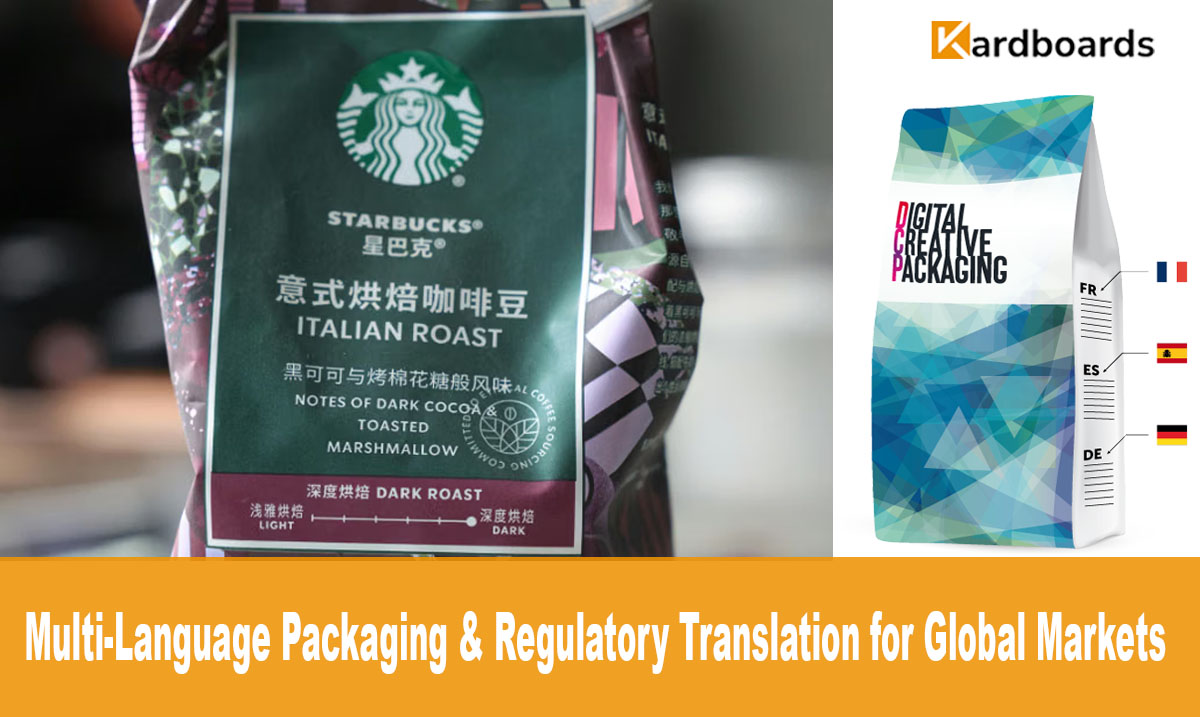
Multilingual packaging refers to packaging that includes product information, instructions, warnings, and regulatory text in multiple languages required by target markets.
It is commonly used by brands selling across Europe, North America, the Middle East, and Asia-Pacific, where local-language labeling is often mandatory.
Compliance First: In many countries, incorrect or missing translations can block imports or trigger penalties.
Why Regulatory Translation Matters
Packaging translation is not simple word-for-word conversion. It requires an understanding of local laws, terminology, and cultural nuances.
Key Risks of Poor Packaging Translation
- Customs delays or rejected shipments
- Regulatory fines and recalls
- Consumer safety issues
- Loss of brand credibility
Common Regulatory Translation Requirements by Region
European Union
- Mandatory local-language labeling for each selling country
- Ingredient lists, allergens, and safety warnings
- CE, recycling, and environmental symbols
United States
- English labeling required
- FDA-compliant product descriptions and instructions
- CPSIA warnings for applicable products
Middle East & Asia
- Arabic or local-language labeling
- Country-specific import symbols
- Dual-language layouts are often accepted
Design Challenges in Multi-Language Packaging
Adding multiple languages affects both layout and usability. Brands must balance compliance with design clarity.
- Limited packaging space
- Font size and readability requirements
- Text expansion in certain languages
- Maintaining premium brand aesthetics
Design Tip: Smart layout planning avoids clutter while meeting all legal requirements.
Solutions for Global Packaging Compliance
- Multi-panel box designs
- Fold-out labels or leaflets
- Region-specific packaging SKUs
- QR codes linking to digital instructions
Packaging Translation Best Practices
- Use professional packaging translation services
- Work with native-language regulatory specialists
- Validate translations before printing
- Align translations with local legal terminology
How Kardboards Supports Multilingual Packaging
Kardboards helps global brands manage multi-language packaging and regulatory compliance through:
- Packaging design optimized for multiple languages
- Coordination with regulatory translation partners
- Version control for global SKUs
- Print accuracy across different language layouts
Frequently Asked Questions
Is multilingual packaging legally required?
Yes, many countries require packaging information in the local language for consumer safety and compliance.
Can one package be used for multiple countries?
In some regions, yes. However, language and regulatory requirements must still be met.
Are machine translations acceptable for packaging?
No. Professional human translation is strongly recommended for regulatory text.
How does multilingual packaging affect costs?
It may slightly increase design and printing costs, but it significantly reduces compliance risk.
Can QR codes replace printed translations?
In some markets QR codes can supplement packaging, but printed language requirements still apply.