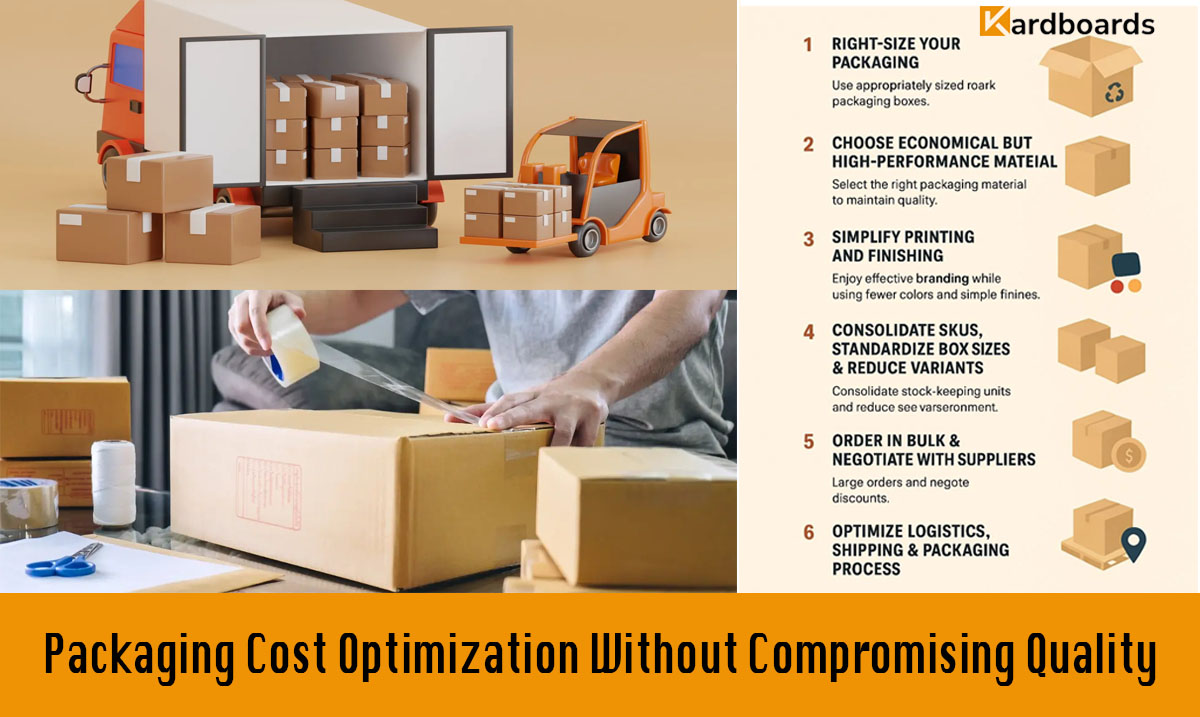
For growing brands and established enterprises alike, packaging cost is a major operational consideration. Rising raw material prices, logistics expenses, and sustainability requirements have made cost optimization more complex than ever.
The challenge lies in reducing expenses without lowering perceived quality, durability, or brand impact. Strategic packaging decisions can achieve both affordability and excellence.
Understanding What Drives Packaging Costs
Before optimizing, it’s essential to understand where costs originate.
- Raw material selection
- Printing methods and finishes
- Structural complexity
- Order quantity and production scale
- Logistics and shipping efficiency
Cost Insight: Small structural and material adjustments can reduce packaging costs by 10–30% without visible quality loss.
Smart Material Choices for Cost Control
Material selection plays a critical role in affordability.
- Optimized paperboard grades instead of over-engineered stock
- Hybrid rigid structures using less material
- Recycled and mixed-fiber boards
- Lightweight corrugated alternatives for shipping boxes
Using the right material for the right application avoids unnecessary expense while maintaining strength and appearance.
Design Optimization Without Visual Downgrade
Good packaging design balances aesthetics and efficiency.
- Reducing excessive layers and inserts
- Simplifying box structures for faster assembly
- Maintaining premium appearance through smart finishes
Design Tip: Minimalist designs often cost less and appear more premium.
Printing and Finishing Cost Strategies
Printing techniques significantly influence total packaging cost.
- Offset printing for large-volume consistency
- Digital printing for short runs and flexibility
- Selective use of foil, embossing, or UV finishes
Limiting specialty finishes to focal areas maintains luxury appeal without inflating costs.
Benefits of Wholesale Packaging from China
Many global brands source wholesale packaging from China due to economies of scale and advanced manufacturing infrastructure.
- Lower unit costs through mass production
- Access to diverse materials and technologies
- Integrated design, production, and logistics
Working with experienced Chinese manufacturers enables cost efficiency while meeting international quality standards.
MOQ and Volume Planning for Cost Efficiency
Order quantity directly affects unit pricing.
- Higher volumes reduce per-unit cost
- Planned batch production improves forecasting
- Flexible MOQs for startups and seasonal brands
Quality Control Prevents Hidden Costs
Cutting costs at the expense of quality often leads to higher long-term expenses.
Defects, damaged goods, and reprints increase total cost. Reliable manufacturers implement quality inspections that protect brand value and budgets.
Balancing Cost, Quality, and Sustainability
Sustainable packaging does not have to be expensive.
- Material reduction lowers both cost and waste
- Eco-friendly boards are increasingly cost-competitive
- Optimized shipping reduces carbon footprint and expense
Frequently Asked Questions
How can packaging cost be reduced?
By optimizing materials, design, printing methods, and order volumes.
Does affordable packaging mean lower quality?
No. Smart engineering and sourcing allow cost savings without compromising quality.
Why source wholesale packaging from China?
China offers scale, manufacturing expertise, and cost efficiency for global brands.
Can premium packaging be cost-effective?
Yes. Strategic use of finishes and efficient structures keeps premium packaging affordable.
What is the biggest mistake in cost optimization?
Cutting quality controls, which leads to higher long-term costs.