Choosing the right packaging partner is critical for global brands. A thorough packaging supplier audit helps buyers verify capabilities, quality systems, and compliance before placing large orders. For overseas sourcing, especially in Asia, conducting a structured packaging audit China significantly reduces production and delivery risks.
Why Packaging Supplier Audits Matter
Packaging issues often result from poor supplier vetting. Audits help buyers:
- Confirm the supplier is a real manufacturer, not a trading company
- Validate production capacity and equipment
- Assess quality control systems
- Reduce risks of delays, defects, and non-compliance
- Protect brand reputation in global markets
Risk Insight: Most packaging disputes stem from suppliers failing to meet stated capabilities.
When Should Buyers Conduct a Packaging Audit?
Global buyers should consider audits when:
- Placing first-time orders with a new supplier
- Launching premium or regulated products
- Scaling from small batches to bulk production
- Switching materials or packaging formats
- Sourcing from overseas manufacturers
Factory Inspection Checklist: Key Areas to Review
1. Factory Legitimacy & Documentation
Verify that the supplier is legally registered and operational:
- Business licenses and registrations
- Export certifications
- Factory ownership or long-term lease
- Years of operation and client references
2. Production Capability & Equipment
A factory inspection checklist should include:
- Printing machines (offset, flexo, digital)
- Die-cutting and forming equipment
- Finishing and assembly lines
- Monthly production capacity
- In-house vs outsourced processes
Buyer Tip: In-house production offers better quality control and accountability.
3. Quality Control Systems
Strong QC processes are essential for consistent results:
- Incoming material inspection
- In-process quality checks
- Final inspection protocols
- Sampling and defect tracking
- ISO 9001 or similar certifications
4. Material Sourcing & Compliance
Packaging audits in China should verify material compliance:
- FSC-certified paper sourcing
- RoHS and REACH compliance
- FDA or CPSIA alignment where required
- Traceability of raw materials
Labor, Safety & Ethical Standards
Responsible buyers should also review:
- Worker safety practices
- Fire and emergency systems
- Labor policies and working conditions
- Compliance with local labor laws
Sampling & Pre-Production Verification
Before full production, confirm:
- Accuracy of samples and prototypes
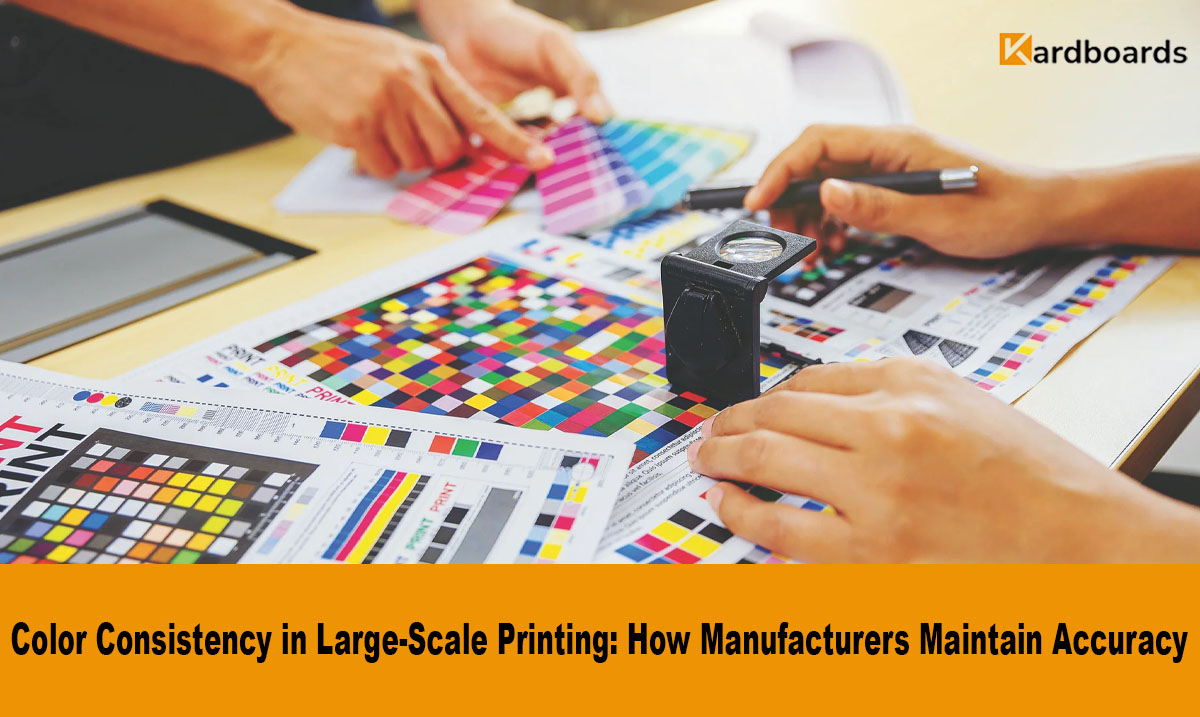
- Color matching and printing quality
- Structural performance
- Approved reference samples for mass production
Best Practice: Approved samples should be sealed and referenced during production.
On-Site vs Third-Party Packaging Audits
Global buyers can conduct audits through:
- In-person factory visits
- Third-party inspection agencies
- Hybrid audits with video verification
Each approach balances cost, transparency, and control.
How Kardboards Ensures Audit-Ready Manufacturing
Kardboards supports global buyers with:
- Transparent factory access and documentation
- International quality certifications
- Clear inspection and QC procedures
- Export-ready compliance and traceability
Frequently Asked Questions
What is a packaging supplier audit?
It is a structured evaluation of a packaging manufacturer’s capabilities, quality systems, and compliance.
Why are packaging audits important in China?
They help verify factory legitimacy and reduce risks when sourcing overseas.
Can third-party inspectors conduct packaging audits?
Yes, many global buyers use independent inspection agencies.
How often should suppliers be audited?
At least before the first order and periodically for long-term partnerships.
Do audits guarantee quality?
Audits reduce risk significantly but should be combined with ongoing inspections.