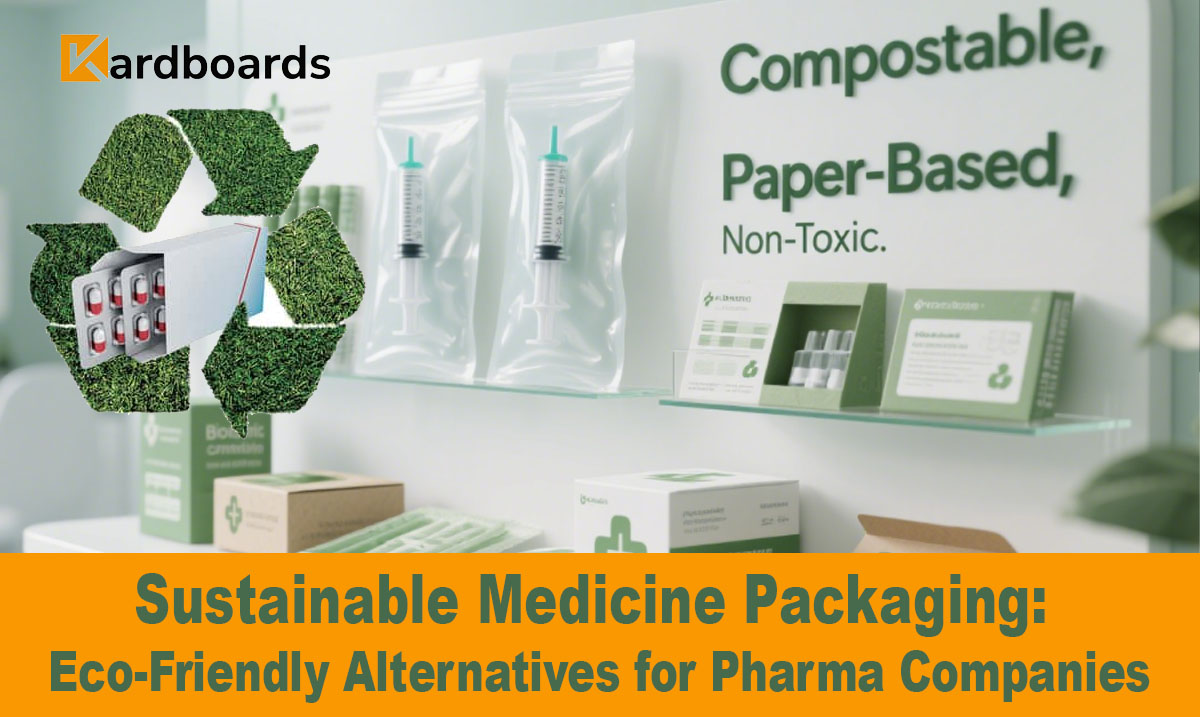
As global demand for safer and more responsible healthcare grows, pharmaceutical companies are increasingly shifting to sustainable medicine packaging. Modern eco-friendly materials not only reduce plastic waste but also maintain the critical performance required for drug protection, shelf-life stability, and regulatory compliance.
Why Pharma Needs Sustainable Packaging
Pharmaceutical packaging is unique because it must balance sustainability, safety, and compliance. Companies today face increasing pressure from:
- Stricter environmental regulations.
- Growing consumer awareness and demand for green products.
- Corporate sustainability goals and ESG reporting.
- Waste reduction initiatives across healthcare supply chains.
Eco packaging is no longer optional—it is becoming a mandatory component of global pharma strategy.
Top Eco-Friendly Packaging Materials for Pharmaceuticals
1. Recyclable PET & HDPE
Lightweight, durable, and approved for medical-grade applications, PET and HDPE plastics offer high barrier protection while being widely recyclable.
2. Bio-Based Plastics (PLA, PHA)
Derived from renewable sources like corn starch and sugarcane, bioplastics reduce reliance on petroleum and support compostable packaging formats.
3. FSC-Certified Paper & Cardboard
Used for secondary packaging such as folding cartons and instructions, these materials ensure responsible sourcing and reduced carbon impact.
4. Molded Pulp Trays
Made from recycled paper fibers, molded pulp is increasingly replacing plastic trays used in medicine kits and transport packaging.
5. Aluminum Blister Alternatives
New advancements in paper-based blister packs and mono-material structures are reshaping how tablets and capsules are packaged sustainably.
Sustainable Design Techniques Used in Pharma Packaging
- Reduced material thickness without compromising barrier protection.
- Mono-material structures for easier recycling.
- Water-based inks and low-VOC coatings for safe printing.
- Flat-pack designs to reduce transportation emissions.
- Minimalist carton layouts that eliminate unnecessary waste.
Sustainable medicine packaging focuses on efficiency, recyclability, and reduced toxic impact.
Benefits of Eco-Friendly Medicine Packaging
- Reduced carbon footprint and lower manufacturing waste.
- Compliance with global sustainability guidelines.
- Brand differentiation in an increasingly eco-conscious market.
- Support for hospital and pharmacy recycling programs.
- Safer materials for both patients and the environment.
Frequently Asked Questions
What materials are commonly used for sustainable pharma packaging?
PET, HDPE, FSC-certified paper, molded pulp, and bioplastics such as PLA and PHA.
Is sustainable packaging safe for medicines?
Yes. All eco-materials used in pharma must comply with FDA, EMA, and ISO safety standards.
Can sustainable packaging replace traditional blister packs?
New mono-material and paper-based blister technologies are emerging as viable eco-friendly alternatives.
Why are pharmaceutical companies adopting green packaging?
To meet environmental regulations, reduce waste, and improve brand responsibility.
Does sustainable packaging increase costs?
Not necessarily—optimized designs and lightweight materials often reduce overall production and shipping expenses.