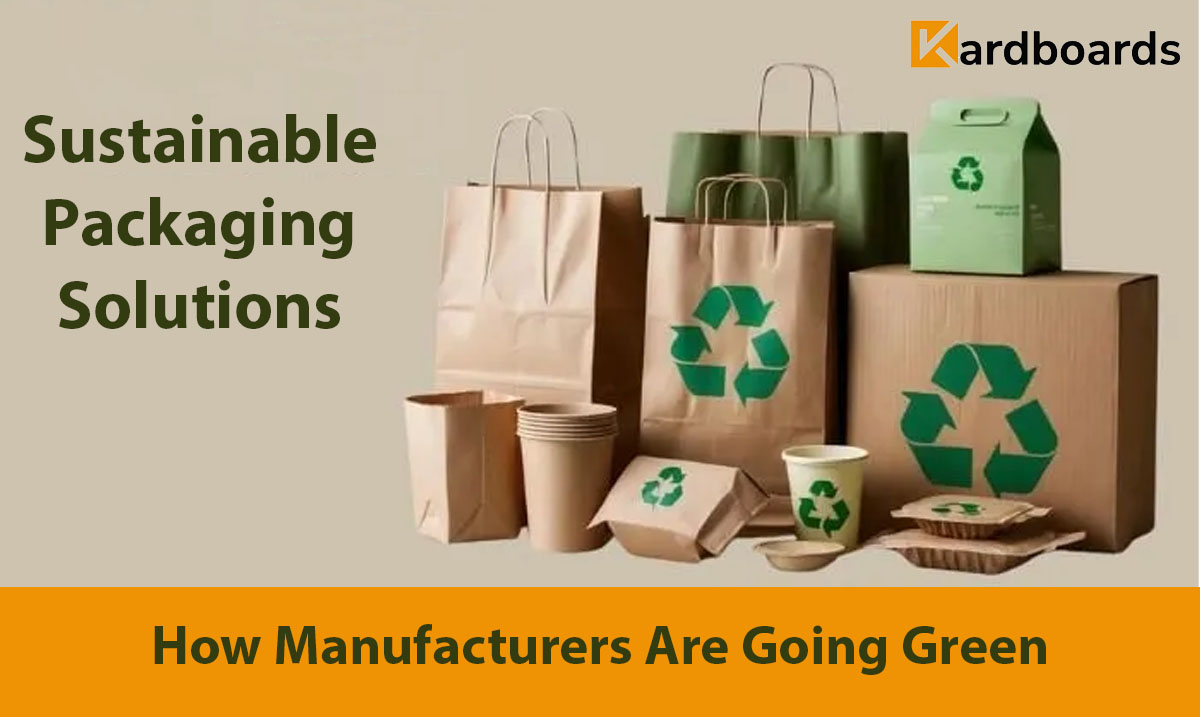
Sustainability in packaging has moved from marketing claim to operational imperative. Manufacturers worldwide are redesigning materials, processes and supply chains to reduce carbon, cut waste, and meet tightening regulations — while still delivering protection, branding and cost efficiency. Recent industry reports show major momentum around recyclable-by-design, recycled content and bio-based materials as practical, scalable strategies for 2025. :contentReference[oaicite:0]{index=0}
Why manufacturers are prioritising green packaging
- Consumer expectations: Surveys show consumers increasingly prefer recyclable, reusable or compostable packaging and often select brands that demonstrate clear environmental action. :contentReference[oaicite:1]{index=1}
- Regulatory pressure: Extended Producer Responsibility (EPR), national packaging waste laws and upcoming EU measures are forcing producers to design packaging that’s recyclable in practice and to report material flows. :contentReference[oaicite:2]{index=2}
- Cost & resource resilience: Using recycled content and lighter designs can lower material costs and reduce exposure to virgin pulp and oil-based film price volatility. :contentReference[oaicite:3]{index=3}
Practical sustainable solutions manufacturers are deploying
1. Recycled and high-PCR content paperboard
Switching to post-consumer recycled (PCR) paperboard for secondary and transit packaging reduces virgin fibre demand and often achieves immediate lifecycle carbon benefits. Many mills and converters now offer multiple recycled board grades to balance strength and printability. :contentReference[oaicite:4]{index=4}
2. Mono-material design for recyclability
Designing packaging using a single dominant material (e.g., 100% paperboard or mono-PET) simplifies sorting and recycling and improves real-world recyclability compared with multi-material laminates. This “recyclable-by-design” approach is a leading practical strategy recommended in 2025 guidance. :contentReference[oaicite:5]{index=5}
3. Compostable & bio-based alternatives
Manufacturers are piloting bagasse (sugarcane fiber), molded pulp, seaweed films and other plant-based materials to replace single-use plastics — especially in foodservice and fresh produce. These materials are often compostable or biodegradable under industrial composting conditions and are being scaled commercially. :contentReference[oaicite:6]{index=6}
4. Advanced bio-materials & mycelium/mushroom foams
New bio-tech firms and research groups are commercializing mycelium and other myco-composites that mimic foams for protective packaging — offering compostable, low-carbon alternatives to expanded polystyrene. These technologies are moving from lab to pilot scale with growing industry partnerships. :contentReference[oaicite:7]{index=7}
5. Refillable & reusable systems
For categories like cosmetics, cleaning products and food staples, manufacturers are designing durable returnable containers, refill pouches and modular packaging systems that reduce single-use consumption and extend asset life. These systems often pair with reverse-logistics or deposit programs. :contentReference[oaicite:8]{index=8}
6. Material innovation with reduced coatings and standardised inks
To keep packaging recyclable, suppliers are standardising inks and adhesives, reducing multi-coating laminates, and specifying low-migration, water-based inks that don’t contaminate recycling streams — practical process changes that improve circularity without sacrificing branding. :contentReference[oaicite:9]{index=9}
Supply-chain & certification: how manufacturers demonstrate credibility
Leading manufacturers pursue credible certifications and transparent sourcing to provide buyers assurance: FSC certification for responsibly sourced fibre, ISO 14001 for environmental management, clear recycled content declarations, and compliance with local EPR reporting. FSC is widely recognized by consumers and buyers as a trusted forestry standard. :contentReference[oaicite:10]{index=10}
Technology & production changes that enable greener packaging
- Process improvements: Energy efficiency upgrades, water reuse and waste-to-energy capture lower the manufacturing footprint.
- On-demand digital printing: Shorter runs and variable data reduce overproduction and enable localized, smaller inventories.
- Automated quality control: Vision systems and AI reduce rejects, conserve materials and ensure consistent print and adhesion quality for recyclable designs.
These changes both reduce environmental impact and improve margin through lower waste and higher first-pass yields. :contentReference[oaicite:11]{index=11}
Real world examples & industry momentum
Global packaging companies and innovative startups are actively scaling sustainable technologies — from large players developing recyclable bag-in-box constructions to startups like Xampla commercializing plant-protein films to replace single-use plastics. Investment activity and partnerships in 2025 underline that bio-based alternatives are moving toward commercial scale. :contentReference[oaicite:12]{index=12}
What this means for brands & procurement teams
- Start with material audits: Map current packaging materials and recycling outcomes to identify quick wins (mono-material swaps, recycled content increases).
- Specify recyclable-by-design: Prioritise packaging that matches local recycling infrastructure rather than theoretically recyclable laminates.
- Use credible certifications: Require FSC, recycled content claims and supplier EPR compliance documentation when evaluating bids.
- Pilot bio-materials carefully: Test compostability claims under local conditions and assess supply stability before full rollout.
Practical tip: Collaborate with your manufacturer to run a small field pilot (shipping test, drop test, recycling sort test) to verify real-world recyclability and logistics impacts before committing to large volumes. :contentReference[oaicite:13]{index=13}
Frequently Asked Questions
What’s the difference between recyclable, compostable and biodegradable?
Recyclable means the material can be collected, sorted and reprocessed into new materials. Compostable means it breaks down in industrial (or sometimes home) compost systems into biological matter without leaving harmful residues. Biodegradable is a broader term that simply indicates something can break down over time — the conditions and timescale vary widely, so certification matters.
Are compostable materials always better than recycled materials?
No — compostables may be useful for foodservice and soiled packaging, but if local industrial composting isn’t available they can contaminate recycling streams. Increasing recycled content and designing for recycling are often the safest, fastest wins in many markets. :contentReference[oaicite:14]{index=14}
How can manufacturers reduce the use of plastics without increasing costs too much?
Strategies include right-sizing, replacing multi-material laminates with mono-materials, switching to recycled plastics where possible, and using molded pulp for cushioning — combined measures typically reduce both cost and waste over time. :contentReference[oaicite:15]{index=15}
Do I need FSC certification to claim sustainable packaging?
FSC is one of the most widely recognized forestry standards and helps substantiate claims on responsible fibre sourcing. It’s highly recommended if you want international buyer confidence, but other credible chain-of-custody schemes may also apply depending on market and product. :contentReference[oaicite:16]{index=16}
How should brands test new bio-based materials?
Run a staged pilot: mechanical and drop tests, shelf-life and barrier testing, compostability certification checks, and a small commercial pilot through actual logistics channels to validate performance and recyclability in-market. :contentReference[oaicite:17]{index=17}