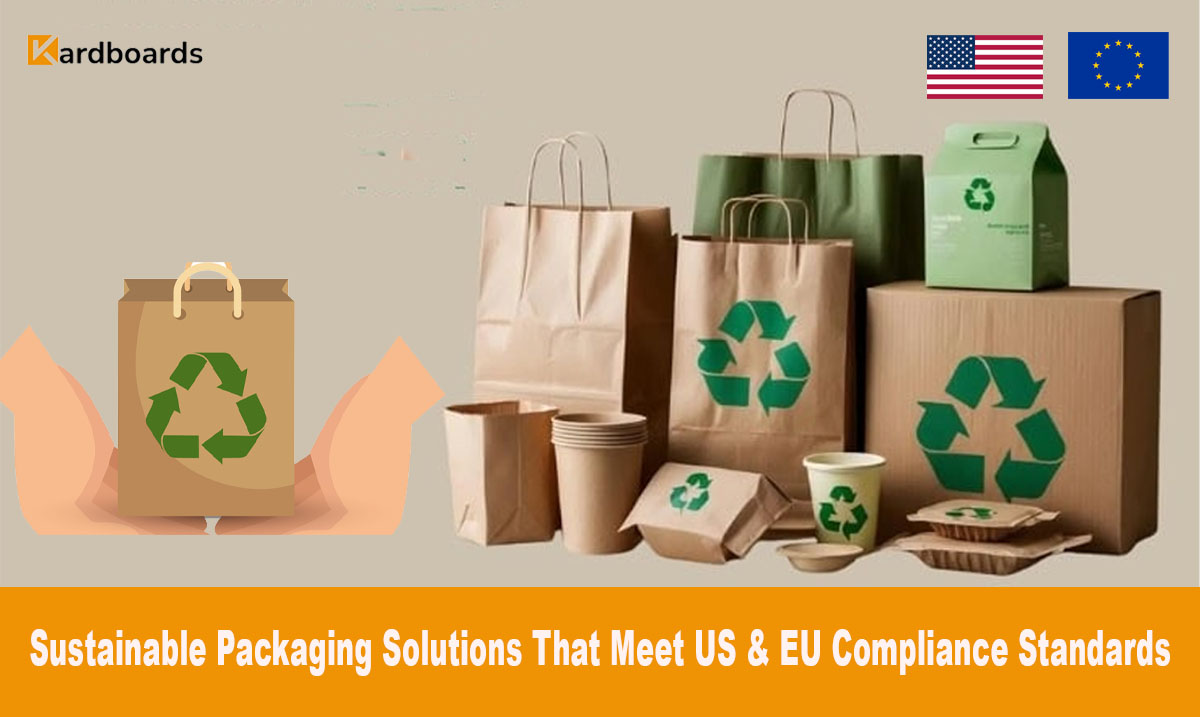
Sustainability has become a critical requirement for global brands. Today, businesses targeting North American and European markets must adopt sustainable packaging solutions that meet strict environmental, safety, and regulatory standards.
Working with an experienced eco-friendly packaging supplier ensures not only environmental responsibility but also smooth market entry and long-term compliance.
Why Sustainable Packaging Is No Longer Optional
Both US and EU regulators are enforcing stricter packaging laws to reduce waste and environmental impact.
- Growing consumer demand for eco-conscious brands
- Government regulations limiting single-use plastics
- Retailers requiring sustainable packaging compliance
- Corporate ESG and sustainability commitments
Market Insight: Brands using sustainable packaging often experience stronger customer trust and improved brand loyalty.
Key US Sustainable Packaging Regulations
Packaging sold in the United States must comply with federal and state-level requirements:
- FDA compliance for food-contact packaging
- State-level plastic reduction and recycling mandates
- Labeling requirements for recyclable materials
- Restrictions on toxic substances and heavy metals
EU Packaging & Environmental Compliance Standards
The European Union enforces some of the world’s most rigorous sustainability laws:
- EU Packaging and Packaging Waste Directive (PPWD)
- REACH and RoHS material compliance
- Extended Producer Responsibility (EPR)
- Mandatory recyclability and waste reduction targets
Compliance Advantage: Meeting EU standards often simplifies entry into multiple global markets.
Sustainable Packaging Materials That Meet US & EU Standards
Recycled Paperboard & Corrugated Packaging
Widely accepted in both markets, recycled paper-based packaging offers strength, versatility, and recyclability.
FSC-Certified Packaging
Forest Stewardship Council (FSC) certification ensures responsible sourcing of paper and wood-based materials.
Biodegradable & Compostable Materials
Materials such as bagasse, molded fiber, and biodegradable films help brands reduce plastic dependency.
Water-Based Inks & Eco Coatings
Low-VOC inks and coatings improve recyclability while meeting environmental safety requirements.
Designing for Sustainability & Performance
Effective sustainable packaging goes beyond materials:
- Lightweight structural design to reduce shipping emissions
- Minimalist packaging to reduce material usage
- Flat-pack and space-efficient designs
- Easy separation for recycling
How Eco-Friendly Packaging Suppliers Support Compliance
A qualified supplier plays a crucial role in regulatory success:
- Material sourcing with verified certifications
- Compliance documentation for US and EU imports
- Ongoing monitoring of regulatory changes
- Testing for durability, safety, and recyclability
Why Brands Choose Kardboards for Sustainable Packaging
- Certified Materials: FSC, recyclable, and eco-approved options
- Global Compliance: Packaging aligned with US & EU standards
- Custom Engineering: Sustainable designs without sacrificing protection
- Export Expertise: Documentation-ready packaging for global shipping
Frequently Asked Questions
What is sustainable packaging?
Sustainable packaging minimizes environmental impact through recyclable, biodegradable, or responsibly sourced materials.
Does sustainable packaging cost more?
Costs have decreased significantly, and optimized designs often offset material expenses.
Is FSC certification required for EU markets?
While not mandatory, FSC certification is strongly preferred and widely accepted.
Can sustainable packaging still be premium?
Yes. Eco-friendly materials can support luxury finishes and high-end brand presentation.
Does Kardboards provide compliance documentation?
Yes. Kardboards supports full documentation for US and EU packaging compliance.