Paper bags are a cornerstone of modern retail packaging. From boutique fashion labels to grocery chains, paper bags provide a versatile, brandable, and increasingly sustainable carrier option. This guide breaks down the main types of paper bags, typical uses, construction details, branding techniques, sustainability considerations, and practical procurement tips.
Paper bag types at a glance
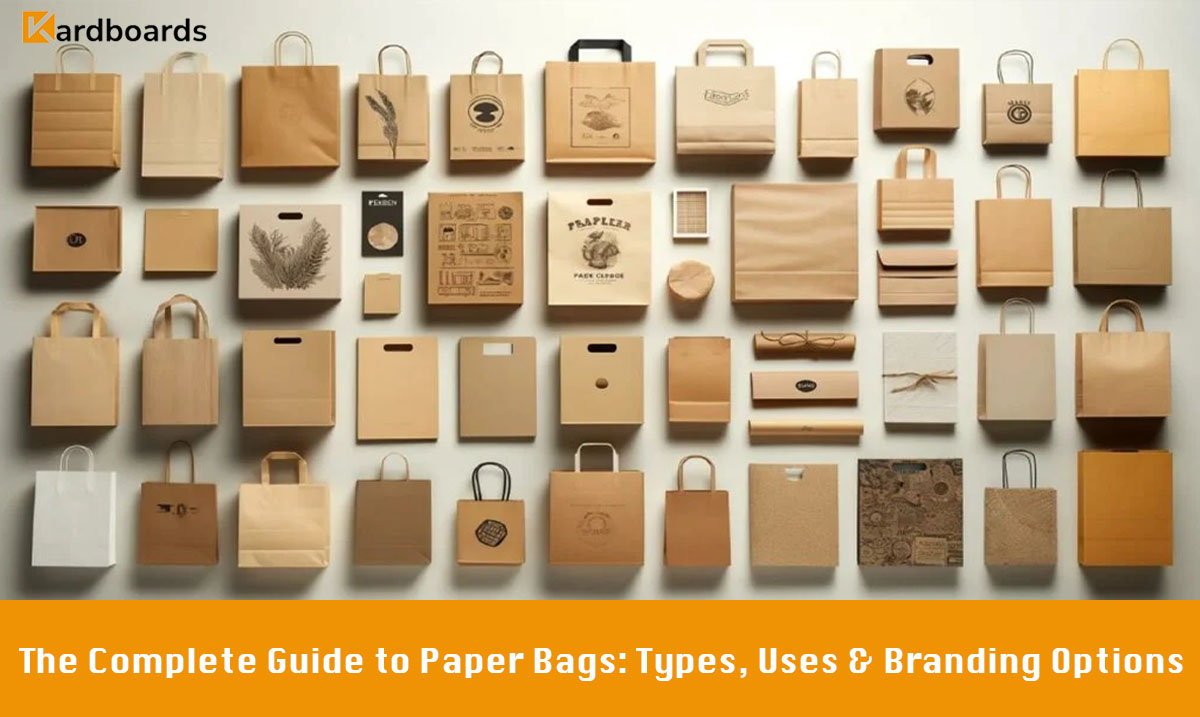
Different paper bag styles serve different functional and brand needs. Below are the most common constructions:
- Flat (grocery) bags: Economical, flat-bottom or folded-style — widely used in supermarkets and convenience stores.
- Box-bottom / square-bottom bags: Rigid base, stands upright — preferred for heavier/fragmented items and retail display.
- Gusseted bags: Side or bottom gussets expand capacity — great for bulky items and gift packaging.
- Twisted-handle kraft bags: Classic retail choice; strong handles formed from twisted paper cord.
- Flat paper-handle bags: Sleeker appearance with integrated or glued handles for premium boutiques.
- Die-cut handle bags: Clean, modern look with cut-out handles — often used for lighter apparel and events.
- Windowed paper bags: Paper body with a clear window for product visibility (note: window material affects recyclability).
- Gift & luxury bags: Heavy grammage paper, box bottoms, ribbon handles, and premium finishes.
- Reusable paper bags: Heavier construction and reinforced handles designed for multiple uses.
Quick decision rule: Use box-bottom for stability and heavier loads; choose gusseted or flat bags for volume flexibility; pick handle type to match brand tone (twisted = rustic, flat = premium).
Paper & material choices
Choosing the right paperstock affects strength, printability and sustainability:
- Kraft (virgin): Natural brown look, excellent strength and tear resistance.
- Kraft (recycled): Lower environmental footprint, slightly softer surface for printing.
- Coated / clay-coated paper: Better for high-resolution printing but can complicate recycling if heavily coated.
- White top & duplex boards: Provide a bright print surface for premium branding.
- Reinforcements: Paperboard bases, folded liners, or paper tape to increase load capacity while keeping recyclability.
Handles & closures — structure matters
Handles are critical to bag performance and perceived quality:
- Twisted paper handles: Economical and strong; visible curl lends craft appeal.
- Flat paper handles: Integrated glued handles for a refined look.
- Ribbon / cord handles: Premium finish for luxury sectors (may affect recyclability).
- Reinforced top rails & internal tape: Increase carrying strength — useful for heavy items or reusable bags.
Primary uses & industry fit
Paper bags suit a wide range of retail contexts:
- Fashion & boutique: Box-bottom or luxury gift bags with premium finishes and custom sizes.
- Food & grocery: Flat or gusseted kraft bags — choose food-safe paper and grease-resistant options for takeaway.
- Events & hospitality: Custom die-cut handle bags for conferences, hospitality kits, and welcome packs.
- E-commerce & gift packaging: Sturdy box-bottom bags double as presentation and protection for shipped items.
- Promotional & retail campaigns: Printed, low-cost bags used as walking brand advertisements.
Branding & print techniques
Paper bags are an exceptional canvas for brand storytelling. Common printing and finishing options include:
- Flexographic printing: Cost-effective for large runs with solid colors and simple artwork.
- Offset printing: High-resolution, ideal for complex graphics and photographic imagery.
- Spot UV & foil stamping: Adds luxury and contrast — use sparingly to maintain recyclability.
- Embossing/debossing: Tactile elements that elevate perceived value.
- Digital printing: Low-to-medium runs with variable data and fast turnaround.
- Water-based inks & soy inks: Improve environmental profile while delivering strong color.
Branding tip: For credible sustainability claims, pair visible messaging (recycled %, disposal guidance) with responsible material choices and supplier documentation.
Finishes, lamination & recyclability
Finishing choices impact look and end-of-life processing:
- Uncoated surface: Best for recyclability and compostability; natural texture appeals to eco-conscious consumers.
- Water-based coatings & aqueous varnish: Enhance print durability and are often recyclable-friendly.
- Plastic lamination (PE / BOPP): Provides moisture resistance but typically prevents recycling — avoid if circularity is a priority.
- Biodegradable / compostable coatings: Emerging options that balance performance and compostability (confirm certification and local infrastructure).
Sustainability & certifications
To make credible sustainability claims, validate supplier practices and materials:
- FSC® & PEFC: Chain-of-custody certification for responsibly managed forest fibre.
- Recycled content verification: Certificates that confirm post-consumer or post-industrial recycled inputs.
- ISO 14001: Manufacturer environmental management systems that show operational commitment.
- EN / ASTM compostability standards: For industrial compostable coatings and inks — check local composting availability.
Cost, lead times & procurement tips
Smart procurement balances cost, quality and sustainability:
- Order quantities: Larger runs reduce per-unit print setup cost (especially offset and flexo).
- Pre-production samples: Always request physical samples to check color, handle strength and overall finish.
- MOQ & lead times: Discuss minimum order quantities and realistic lead times with suppliers — digital printing can reduce MOQ and speed up delivery.
- Supply chain resilience: Consider local/regional mills for faster replenishment and lower freight emissions.
Procurement checklist: Ask for mill certificates, recycled content statements, ink type, and sample bag with handle test before approving final production.
Design checklist for perfect paper bags
Use this practical checklist before approving print-ready files:
- Confirm finished bag dimensions & gusset sizes
- Provide dieline with bleed & safe area
- Choose paper grammage & confirm supplier sample
- Specify handle style & reinforcement method
- Approve color proofs (Pantone or CMYK mock)
- Verify sustainable claims & request certificates
When to consider alternatives
Paper bags are versatile but are not the universal solution:
- High-moisture or oily products: Paper may require special coatings or alternatives like compostable film-lined bags.
- Very heavy industrial loads: Consider reusable textile totes or corrugated boxes for safety and durability.
- Regions with limited recycling: If paper recycling/composting isn't available locally, consider reuse-focused designs or alternative materials that match local infrastructure.
Case studies & use examples
Examples of successful paper bag applications (conceptual):
- Boutique apparel: White duplex paper bags, foil logo, soft-touch aqueous coating, flat paper handles — drives premium brand perception.
- Organic grocery: Recycled kraft gusseted bags with printed disposal instructions and compostability message.
- Event swag: Lightweight die-cut handle bags with full-bleed digital print and QR code linking to sustainability credentials.
Frequently Asked Questions
What is the best paper type for a balance of strength and sustainability?
Recycled kraft (with an appropriate gsm/grammage for strength) often provides the best compromise — good load performance, lower embodied carbon, and recyclability in many systems.
Are laminated paper bags recyclable?
It depends. Paper bags laminated with plastic films (PE/BOPP) typically cannot be recycled in standard paper streams. Opt for water-based varnishes or certified compostable coatings to maintain circularity where possible.
How do I choose the right handle for my brand?
Match handle style to brand tone and expected load: twisted paper for craft/natural brands, flat paper handles for fashion/premium, and ribbon/cord for luxury (but check end-of-life impact if using non-paper handles).
Can paper bags be used for food?
Yes — use food-grade paper, grease-resistant paper where necessary, and ensure any inks or coatings are certified as food-safe for direct contact or wrapping use.
How can I reduce the environmental impact of my paper bags?
Use post-consumer recycled content, avoid plastic lamination, choose water-based inks, source certified paper (FSC/PEFC), and design for reuse by increasing grammage and reinforcing handles.