As global brands compete in increasingly crowded markets, custom structural packaging has emerged as a powerful differentiator. Beyond graphics and printing, structure-driven packaging focuses on how a package is engineered, opened, protected, assembled, and experienced by the end user.
From luxury retail and electronics to food, pharmaceuticals, and e-commerce, companies are shifting toward intelligent packaging structures that combine protection, usability, sustainability, and visual appeal.
What Is Custom Structural Packaging?
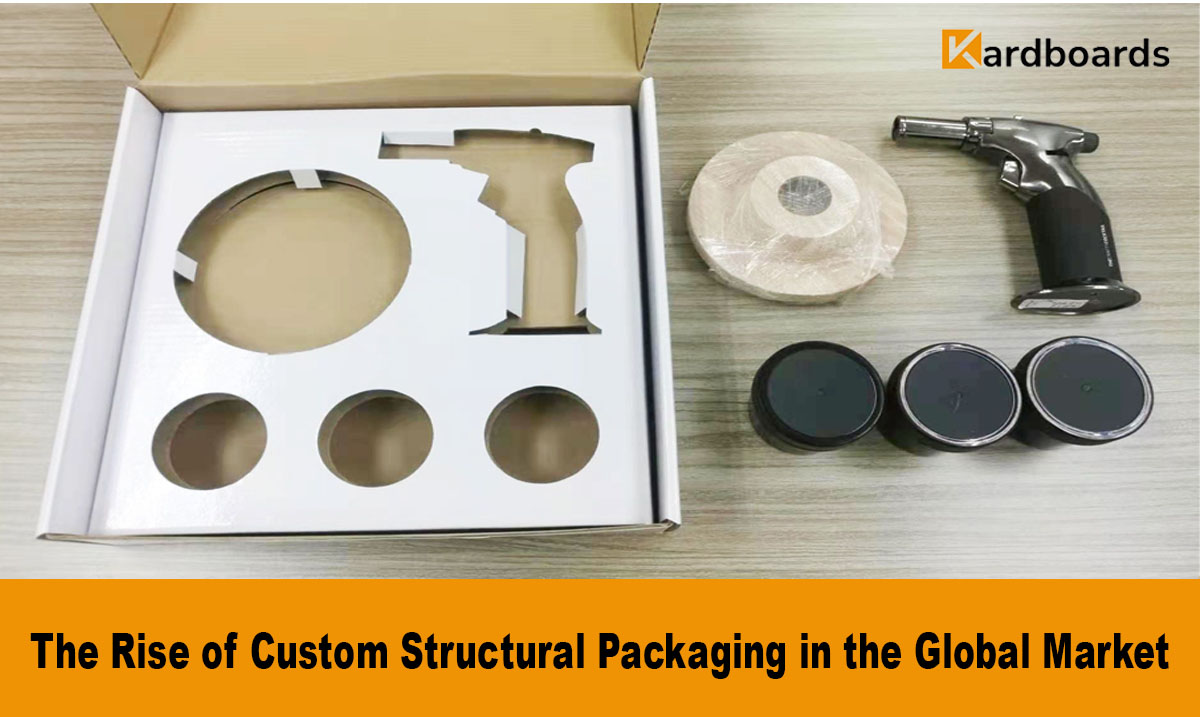
Custom structural packaging refers to packaging solutions where the physical design, geometry, and engineering of the package are customized specifically for a product, rather than using standard box templates.
- Engineered internal supports and inserts
- Unique opening and closing mechanisms
- Product-specific load distribution
- Optimized folding, locking, and assembly
- Material-efficient structural strength
Structural packaging transforms boxes into functional systems—not just containers.
Why Structural Packaging Is Gaining Global Momentum
Several global market forces are accelerating the adoption of custom structural packaging:
- E-commerce growth: Increased need for shock-resistant, drop-tested packaging
- Premium brand positioning: Unboxing experience as a marketing asset
- Sustainability pressure: Less material, more strength
- Supply chain optimization: Reduced damages and returns
- Automation compatibility: Designed for high-speed packing lines
Key Industries Driving Structural Packaging Innovation
Electronics & Smart Devices
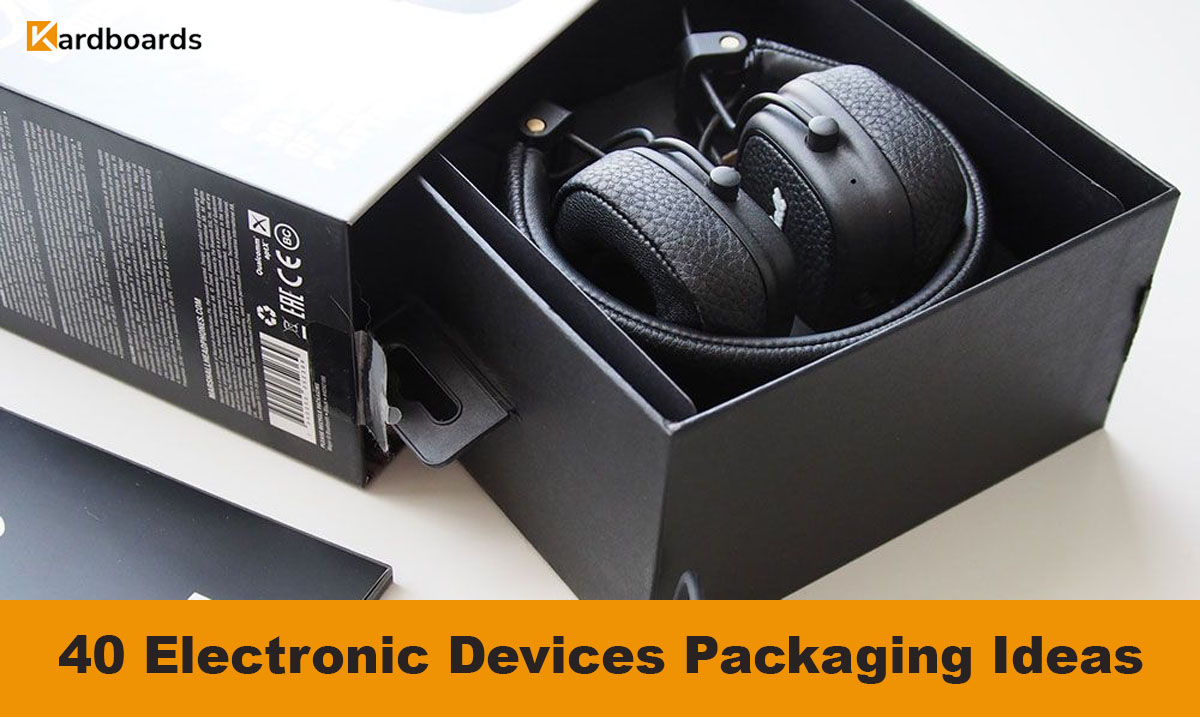
Engineered cavities, anti-static layers, suspension trays, and impact zones protect sensitive components during global shipping.
Luxury & Premium Retail
Magnetic closures, layered reveals, rigid constructions, and sculpted inserts elevate perceived product value.
Food & Beverage
Structural ventilation, moisture control, and stackable designs ensure freshness while improving logistics efficiency.
Pharmaceuticals & Healthcare
Child-resistant structures, dosage separation, tamper-evident locking, and regulatory-compliant designs are critical.
The Role of Packaging Engineering
Modern structural packaging relies heavily on engineering expertise:
- CAD-based structural modeling
- Compression, vibration, and drop testing
- Material performance analysis
- Tooling optimization for mass production
- Flat-pack and space-saving logistics design
Precision engineering ensures strength without excess material, supporting both sustainability and cost efficiency.
Sustainability and Structural Design
Structural packaging plays a crucial role in sustainable packaging strategies:
- Reduced plastic through paperboard-based structures
- Mono-material designs for easier recycling
- Lightweight structures lowering shipping emissions
- Elimination of void fill through custom-fit design
- Reusable and refill-friendly structures
Global Manufacturing and Customization Capabilities
China has become a global hub for structural packaging manufacturing due to:
- Advanced die-cutting and forming technology
- Integrated design-to-production workflows
- Cost-efficient prototyping and tooling
- Scalability for international brands
- Export-ready quality standards
Kardboards supports global brands with structural packaging solutions that combine engineering precision, aesthetic excellence, and sustainable materials.
Frequently Asked Questions
How is structural packaging different from custom printed packaging?
Structural packaging focuses on the physical design and engineering of the package, while printed packaging primarily focuses on graphics and branding.
Is custom structural packaging expensive?
While initial design costs may be higher, structural packaging often reduces long-term costs by minimizing damage, material waste, and logistics inefficiencies.
Can structural packaging be sustainable?
Yes. Structural optimization often reduces material usage and replaces plastics with recyclable paper-based solutions.
What products benefit most from structural packaging?
Electronics, luxury goods, cosmetics, pharmaceuticals, and fragile food products benefit the most.