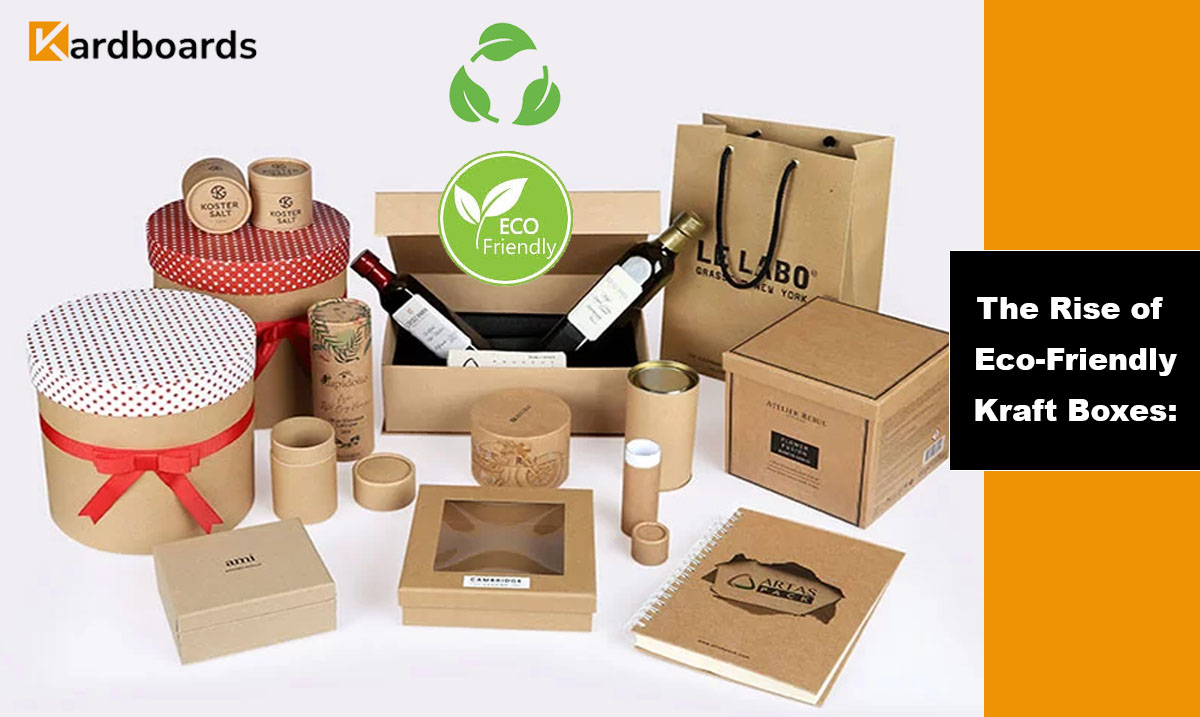
Kraft boxes — made from kraft paper or kraft-lined paperboard — have rapidly become a leading sustainable packaging choice for modern brands. They balance cost, recyclability and robust performance while offering an aesthetic that signals naturalness and authenticity. This guide explains materials, manufacturing, finishes, sustainability metrics and practical advice for brands switching to eco-friendly kraft packaging.
What Exactly Is A Kraft Box?
Kraft boxes are cartons formed from kraft paper or paperboard that uses kraft pulping (the chemical process that preserves fiber strength). Variants include:
- Natural Kraft Board: Brown, unbleached surface with visible fiber texture — commonly used for e-commerce and retail boxes.
- White-Lined Kraft Board (WLB): Kraft core with a white top sheet — offers a clean printable surface while retaining recycled content benefits.
- Coated Kraft: Kraft board with water-based coatings for slight moisture resistance and printing fidelity.
Why Brands Are Choosing Kraft Boxes
Kraft boxes are rising because they hit a sweet spot across sustainability, functionality and brand storytelling:
- High recycled content: Many kraft boards are made from post-consumer waste (PCW) or high recycled fiber ratios.
- Easier recycling: Uncoated kraft is widely accepted by curbside recycling streams in most markets.
- Cost-effective: Lower cost versus many specialty coated boards or rigid boxes, especially at scale.
- Authentic look & feel: The tactile brown surface communicates natural, artisanal or eco-friendly brand values.
- Robust performance: Kraft fibers maintain strength for shipping, stacking and protective functions.
Materials & Grades — What To Specify
Selecting the right kraft board depends on product weight, required protection, printing needs and sustainability goals:
- Single-wall vs. Double-wall: For heavier goods or long logistics chains, double-wall kraft or corrugated kraft provides added compression strength.
- GSM (grams per square meter): Typical ranges: 200–350gsm for retail folding cartons; 350–600gsm for heavy duty or rigid-feel boxes.
- White-lined options: Choose WLB if high-definition printing is required while keeping kraft cores for strength.
- Barrier layers: For food or moisture-sensitive items, select food-grade kraft with appropriate barrier coatings or liners (water-based or compostable where possible).
Printing, Finishes & Branding on Kraft
Kraft surfaces require thoughtful print and finishing choices to balance aesthetics and recyclability:
- Digital & Offset Printing: Both work well; digital is ideal for short runs and personalization, offset for large volumes and color accuracy.
- Minimal Inks: Use spot printing or single-color prints to maintain eco credibility and reduce ink usage.
- Water-based Varnishes & Inks: Preferred over solvent-based ones for recyclability and lower VOCs.
- Embossing & Debossing: Add premium tactile cues without heavy coatings.
- Foil & Spot UV — Use Sparingly: These finishes add luxury but can complicate recycling; choose recyclability-friendly foils or limited application locations.
Sustainability Benefits & Certifications
When marketed and executed properly, kraft boxes deliver measurable sustainability wins:
- Lower embodied carbon: Recycled kraft generally has lower lifecycle emissions than new virgin coated boards or plastics.
- FSC & PEFC certification: Ensures responsibly sourced fiber and is important for many retailers and markets.
- Recyclability & Circularity: Uncoated kraft is accepted in most curbside programs; mono-material designs improve recycling yield.
- Compostability: Some kraft grades and compostable coatings are certified for industrial composting (check regional rules).
Use Cases & Industry Examples
Kraft boxes are versatile and used across many sectors:
- E-commerce: Right-sized kraft mailer boxes and tuck-top boxes protect goods and carry clear recycling messaging.
- Food & Beverage: Food-grade kraft trays and cartons for bakery, dry goods and single-serve packaging (with appropriate barrier liners).
- Cosmetics & Beauty: Natural/clean beauty brands favor kraft for eco positioning; add simple embossing for premium feel.
- Apparel & Accessories: Kraft retail boxes and sleeve packaging for a boutique look with low environmental impact.
Design Best Practices For Eco-Kraft Packaging
To maximize sustainability and customer appeal, follow these practical design rules:
- Right-size boxes: Reduce void fill and shipping volume to lower emissions and cost.
- Mono-material approach: Avoid mixing plastics and foils that hinder recycling.
- Clear disposal instructions: Print simple icons or short instructions (Recycle / Compost) to drive correct end-of-life behavior.
- Use internal inserts wisely: Prefer molded pulp or kraft dividers over plastic foams.
- Test physical performance: Do compression, drop and vibration tests to ensure protection without over-engineering.
Cost, Sourcing & Supply Chain Considerations
Kraft boxes are generally cost-competitive, but a few procurement points matter:
- MOQ & lead times: Negotiate MOQs with suppliers; digital printing reduces minimum viable orders for custom designs.
- Regional sourcing: Local kraft mills reduce freight emissions and lead times — useful for time-sensitive product launches.
- Quality control: Inspect GSM, burst strength and print consistency to avoid surprises at scale.
- Price volatility: Paper fiber prices can fluctuate — build flexibility into contracts or consider forward purchasing for large runs.
Quick Takeaway: Eco-friendly kraft boxes are a practical, scalable route to greener packaging. When paired with smart design (right-sizing, mono-materials, water-based inks) and clear consumer messaging, they deliver sustainability, protection and brand value without large cost premiums.
Frequently Asked Questions
Are kraft boxes recyclable?
Yes — uncoated kraft board is widely recyclable in curbside systems. Avoid adding mixed plastic windows or heavy metallic finishes that can hinder recycling.
Can kraft boxes be used for food packaging?
Yes — food-grade kraft with appropriate barrier liners or approved coatings can be safe for dry and some moist foods. Always verify food-contact certifications and migration tests.
Do kraft boxes look premium enough for luxury brands?
Absolutely. With careful design (embossing, diecuts, minimal spot foiling and quality inserts), kraft boxes can convey premium, artisanal and sustainable brand messages simultaneously.
How do kraft boxes compare to coated white boards?
Kraft typically has higher recycled content and easier recyclability; white coated boards offer higher gloss printing and color fidelity. Choose based on priority: sustainability vs. high-gloss visual effects.
What should I tell my manufacturer when ordering kraft boxes?
Specify desired GSM, recycled content percentage, certification (FSC/PEFC), printing method, required barrier properties (if any), MOQ, and preferred lead time. Ask for prototypes and physical strength test reports before mass production.