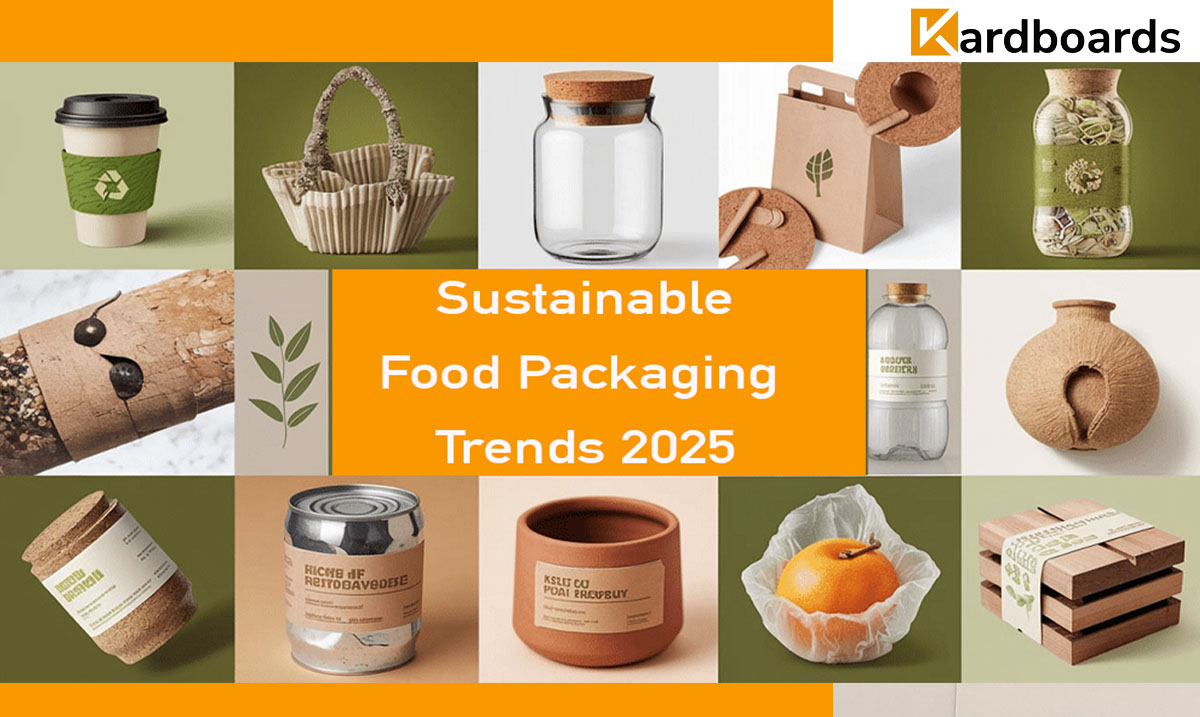
As consumers and regulators become increasingly conscious about environmental impact and food safety, 2025 is witnessing a major surge in sustainable food-packaging innovations. These trends reflect the convergence of ecology, convenience, longevity, and brand responsibility. For food producers and brands, aligning with these trends is becoming essential to stay competitive, compliant and relevant.
1. Compostable, Biodegradable & Plant-Based Materials
Consumers are demanding packaging that minimizes environmental harm — and packaging manufacturers are responding with:
- Plant-fiber boards: Materials made from bamboo, sugarcane bagasse, wheat straw, or other agricultural residues offer strong, lightweight alternatives to virgin plastics or conventional paperboard.
- Compostable films & coatings: PLA films, water-based coatings and biodegradable linings help preserve food while enabling composting or bio-degradation after use.
- Molded-pulp trays & inserts: Ideal for fresh produce, bakery, fruits, and ready-to-eat meals — offering cushioning, breathability, and biodegradability instead of foam or plastic.
Why brands adopt this: Reduces plastic waste, appeals to eco-aware consumers, supports brand sustainability claims, and often helps comply with upcoming regulations on single-use plastics and packaging waste.
2. Minimal-Waste & Right-Sizing Packaging Design
Minimizing material use and optimizing packaging dimensions not only lowers waste — but also reduces cost and improves logistics. Key approaches include:
- Right-sized containers: Packaging precisely matched to the product size to minimize excess space and avoid unnecessary filler.
- Mono-material constructions: Using single-material packaging (e.g. only paperboard, or only one kind of plastic) to simplify recycling and end-of-life processing.
- Reusable / refillable designs: For products like coffee, dry food, or pantry items — containers that can be refilled, reused or returned, encouraging circular use rather than single-use disposal.
3. Smart & Active Packaging for Freshness and Safety
Innovations are moving beyond static packaging. Smart and active packaging aims to extend shelf life, monitor freshness, and give consumers confidence. Trends include:
- Modified Atmosphere Packaging (MAP): Gas-flushed packaging to slow oxidation and microbial growth in meats, produce, and baked goods.
- Oxygen and moisture scavenger films: Films or layers embedded with absorbents that reduce oxygen or moisture inside, preserving freshness longer.
- Biodegradable antimicrobial coatings: Natural or safe antimicrobial agents in coatings to inhibit bacteria growth, extending shelf life without chemicals.
- Smart freshness indicators / sensors: Integrated color indicators or QR-enabled freshness trackers that alert consumers when a product is nearing expiry or has degraded quality.
Why it matters: Reduces food waste, enhances product safety, builds consumer trust, and allows longer distribution chains — especially valuable for export or long-haul logistics.
4. Transparent & Minimalist Packaging with Eco-friendly Aesthetics
Modern consumers appreciate transparency — both literally (seeing the food) and morally (knowing the brand’s environmental stance). Packaging trends reflect this:
- Clear windows or compostable clear films: Allow product visibility without using heavy plastics.
- Minimal ink, simple graphics: Reduces coating and printing waste, supports recyclability, and communicates a clean, natural brand ethos.
- Neutral, earthy tones & matte finishes: Align with organic or natural food positioning and signal sustainability at first glance.
5. Reusable Packaging & Circular-Economy Systems
Instead of single-use packaging, many brands are exploring circular solutions — packaging that returns, refills or gets reused multiple times:
- Reusable containers for pantry goods: Durable jars, paperboard dispensers, or returnable boxes suitable for refilling bulk items like grains, nuts, or spices.
- Subscription-box packaging with return program: Customers receive a refill-ready packaging which they return or reuse for next deliveries — reducing waste per lifecycle.
- Deposit-return schemes: Encouraging customers to return packaging for reuse or recycling — boosting sustainability credentials and lowering long-term packaging cost.
6. Certification, Transparency & Eco-Messaging
Brands and consumers increasingly demand transparency about materials and impact. Some of the key moves in 2025 include:
- Use of certified sustainable materials: FSC-certified paperboard, compostable films, and responsibly sourced fibers.
- Clear disposal/composting instructions: Printed icons or QR-links explaining how to recycle or compost the packaging properly.
- Transparency in supply chain & lifecycle: Disclosure of material origin, carbon footprint, and recyclability — building credibility among conscious consumers.
Takeaway: The future of food packaging is sustainable, smart and circular — combining eco-materials, minimal waste design, freshness preservation and consumer transparency. Brands that adopt these trends early stand to gain consumer trust, regulatory compliance and competitive edge in global markets.
Frequently Asked Questions
Are compostable food-packaging materials safe for food storage?
Yes — many plant-based boards, PLA films and molded-pulp trays meet food-safety standards. Always confirm material certifications and suitability for the specific food type (wet, dry, frozen, etc.).
Does smart packaging increase cost significantly?
Initial cost may be higher (e.g. oxygen scavengers, sensors), but savings from reduced food waste, longer shelf life and fewer returns often justify the investment for mid- and premium-range products.
Can minimal-waste packaging still protect perishable food?
Yes — with right material choice (e.g. molded pulp inserts, compostable films), proper sealing and design, minimal-waste solutions can provide adequate protection while staying eco-friendly.
How can brands communicate sustainability to consumers?
Use clear labeling, recycling/composting instructions, supply-chain transparency, and eco-friendly branding elements such as neutral colours, minimal ink, and clear material disclosures.
Is reusable packaging practical for food products?
Yes — especially for dry foods (grains, nuts, snacks), pantry items, or subscription models. Durable containers, return-friendly packaging and refill systems reduce long-term waste and foster customer loyalty.