Packaging materials play a crucial role in protecting, presenting, and preserving products across industries. With growing demand for durability, functionality, and sustainability, packaging materials have evolved beyond conventional paper and plastic. Today’s manufacturers, including Kardboards, blend material science and innovation to develop eco-friendly, cost-effective, and visually appealing packaging solutions for global brands.
1. Paper-Based Packaging Materials
Paper remains the foundation of modern packaging. It’s lightweight, recyclable, and highly customizable for branding and printing.
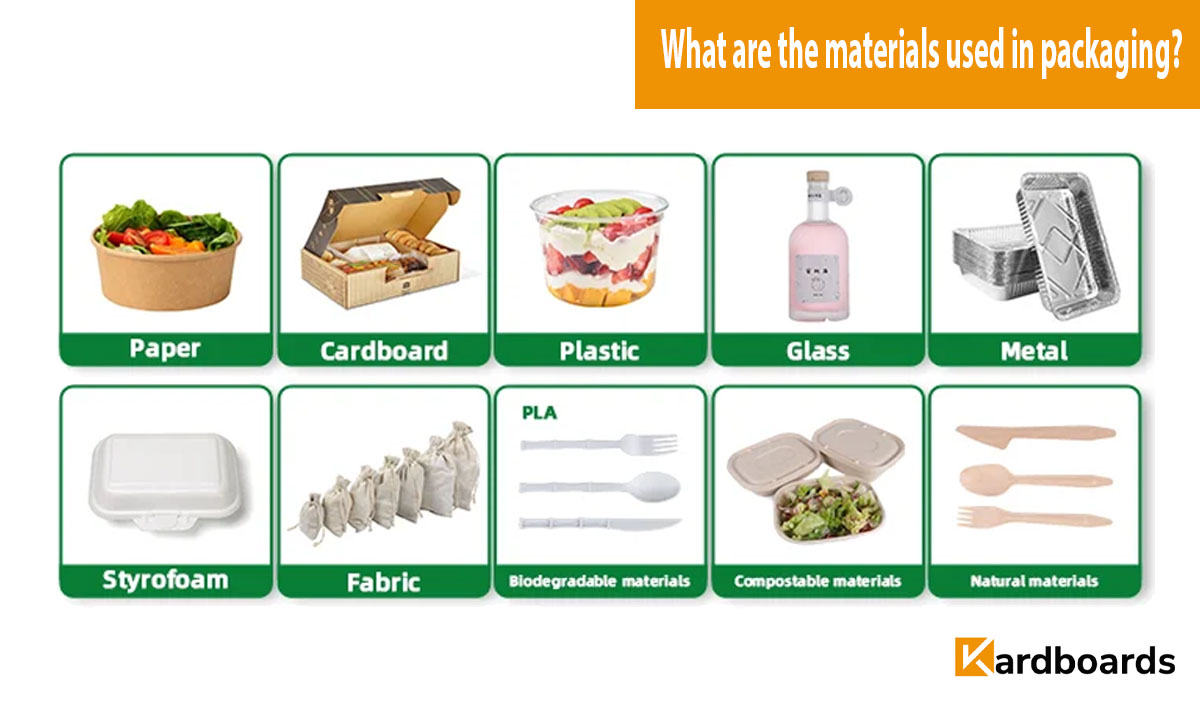
- Kraft Paper: Known for its strength and eco-friendliness, ideal for pouches, envelopes, and carry bags.
- Paperboard / Carton Board: Used in folding boxes, cosmetic cartons, and retail displays.
- Corrugated Fiberboard: Multi-layered sheets designed for shipping boxes, offering strength and cushioning.
Kardboards Insight: Our corrugated packaging uses recycled paper liners with moisture-resistant coatings to enhance durability while staying environmentally responsible.
2. Plastic Packaging Materials
Plastic packaging dominates due to its flexibility, moisture barrier, and transparency. However, sustainable alternatives are gaining traction.
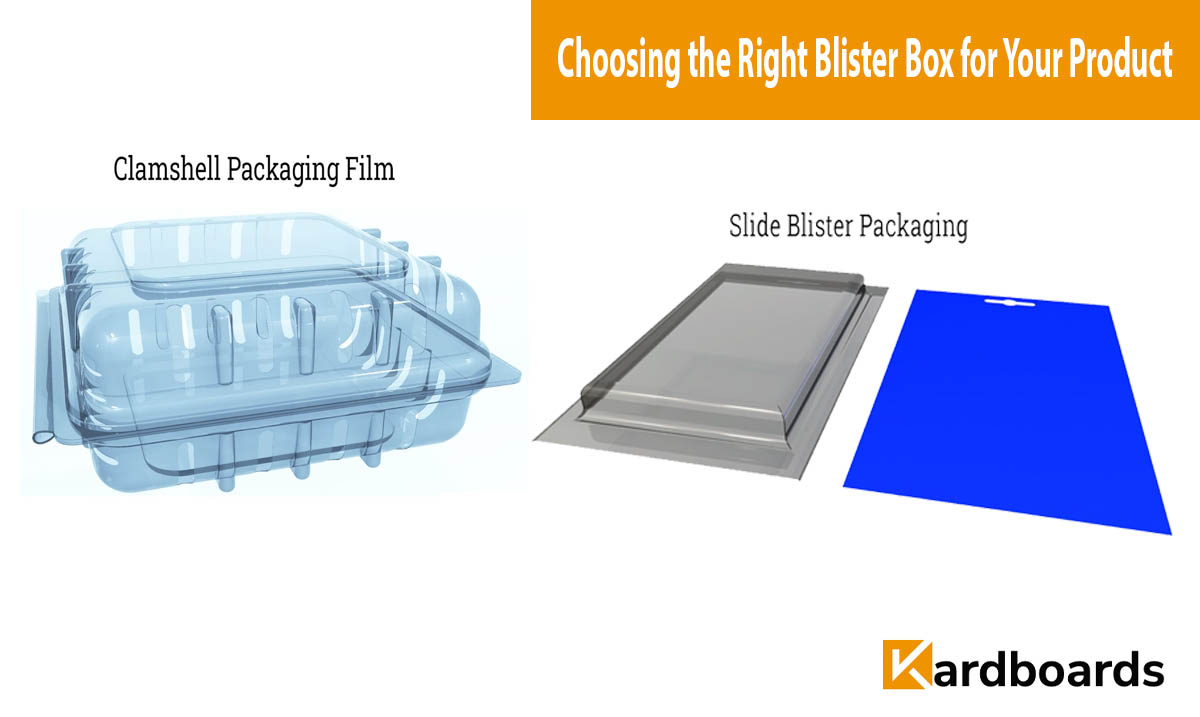
- PET (Polyethylene Terephthalate): Lightweight and recyclable, widely used in blister boxes and food trays.
- PP (Polypropylene): Excellent heat resistance and clarity, suitable for caps, containers, and electronics packaging.
- PE (Polyethylene): Found in films, shrink wraps, and laminated pouches.
- Bioplastics: Derived from renewable sources like corn starch, offering reduced carbon footprint.
3. Metal Packaging Materials
Metals like aluminum and steel are used where superior barrier protection and longevity are essential — such as in beverages, aerosols, and pharmaceuticals.
- Aluminum: Lightweight, corrosion-resistant, and fully recyclable; used in cans and foil wraps.
- Steel (Tinplate): Extremely strong and tamper-resistant, used in food tins and paint cans.
4. Glass Packaging Materials
Glass is inert, durable, and maintains product purity. It’s widely used for premium packaging in beverages, cosmetics, and pharmaceuticals.
Although heavier than alternatives, its recyclability and clarity make it a sustainable premium choice.
5. Sustainable & Biodegradable Packaging Materials
As global sustainability goals advance, eco-materials are becoming essential in packaging production. Kardboards integrates green innovation to reduce waste and enhance recyclability.
- PLA (Polylactic Acid): A bioplastic derived from corn starch, used in transparent trays and cups.
- Molded Pulp: Made from recycled paper pulp — perfect for protective inserts and trays.
- Compostable Films: Replace traditional PE wraps with plant-based alternatives that degrade naturally.
- Recycled PET (RPET): Manufactured from used PET bottles, promoting a circular economy.
6. Hybrid and Smart Packaging Materials
Modern packaging increasingly uses hybrid materials — combining paper, plastic, and metallic films for performance and visual appeal. Smart materials incorporate RFID chips, QR codes, and sensors to track and authenticate products.
These innovations enhance logistics efficiency and consumer engagement while maintaining environmental responsibility.
Choosing the Right Material
The choice of packaging material depends on the product’s nature, shelf life, shipping conditions, and brand aesthetics. Kardboards evaluates these factors to recommend materials that align with both functionality and sustainability goals.
Frequently Asked Questions
What is the most sustainable packaging material?
Materials like paperboard, molded pulp, and bioplastics are considered most sustainable as they are recyclable, renewable, and biodegradable.
Why is corrugated cardboard so popular?
Because it’s strong, lightweight, customizable, and made from recycled materials — making it perfect for both retail and export packaging.
Are plastics still widely used in packaging?
Yes, plastics remain vital for flexibility and protection, but recyclable and biodegradable alternatives are rapidly replacing conventional plastics.
Which material offers the best product protection?
Metals and multi-layered corrugated fiberboard provide the highest level of protection against impact and moisture.
Does Kardboards offer eco-friendly material options?
Absolutely. Kardboards provides fully recyclable paper-based materials, biodegradable plastics, and hybrid sustainable packaging tailored for global clients.