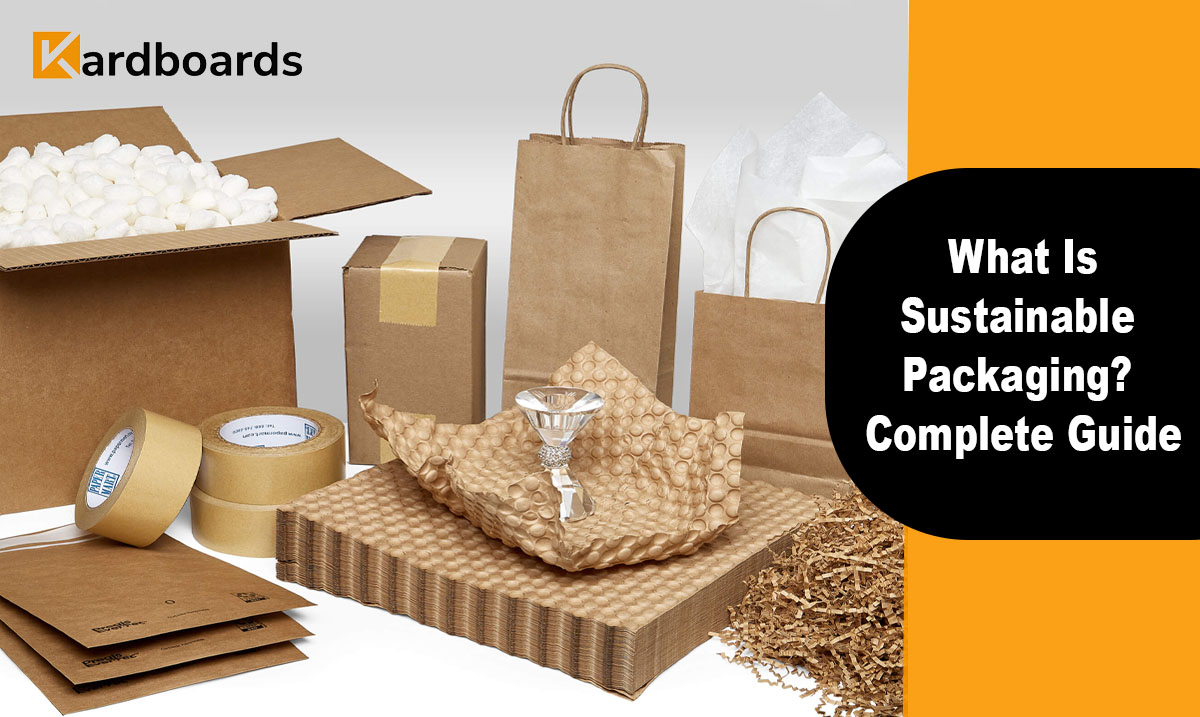
Sustainable packaging means designing and using packaging that reduces environmental impact across its entire lifecycle — from raw material sourcing and production through use and end-of-life disposal. It combines materials science, design for circularity, regulatory compliance and supply-chain optimisation to create packaging that protects products while protecting the planet.
Core Principles Of Sustainable Packaging
Most sustainable packaging strategies are built on four simple but powerful principles:
- Reduce: Use less material — right-sizing packaging and eliminating unnecessary layers and fillers.
- Reuse: Design for multiple lifecycles — refillable containers, returnable systems or durable secondary packaging.
- Recycle: Prioritise materials that are widely recyclable and design packaging to be easy to sort and process.
- Replace: Substitute harmful or non-renewable materials with renewable, compostable or recycled alternatives.
Common Sustainable Packaging Materials
Choosing the right material depends on product protection needs, shelf life and disposal infrastructure. Popular eco-materials include:
- Recycled Paperboard & Corrugated: High post-consumer content options for boxes and cartons — good for strength and recyclability.
- FSC-Certified Virgin Paper: From responsibly managed forests, useful when recycled fiber cannot meet strength or aesthetic needs.
- RPET (Recycled PET): Recycled PET for clear windows, clamshells and some flexible applications — reduces virgin plastic demand.
- Polyactic Acid (PLA) & Compostable Films: Plant-based alternatives used where composting infrastructure exists; suitability depends on food contact and industrial composting availability.
- Molded Pulp & Bagasse: Biodegradable, molded fibre trays and inserts made from sugarcane, wheat straw or recycled fibres — ideal for foodservice and protective inserts.
- EVOH And Barrier Coatings: Used sparingly; important for food preservation but can complicate recycling unless designed as separable layers or using recyclable barrier technologies.
Design Strategies For Circularity
Design choices deeply affect end-of-life outcomes. Practical strategies:
- Mono-Material Construction: Use one dominant material for easier recycling (e.g., mono-PET or full paperboard packs).
- Minimal Finishing: Reduce varnishes, metallic inks and multi-material laminates that hinder recycling.
- Design For Disassembly: Make it easy for consumers or recyclers to separate components (e.g., peel-off labels, removable windows).
- Clear Disposal Instructions: Print simple icons or QR codes that tell consumers how to recycle or compost properly.
Certifications And Standards To Watch
Certifications help validate sustainability claims and improve market trust. Key examples:
- FSC (Forest Stewardship Council): For responsibly sourced paper and board.
- OK Compost / EN 13432: Certification for industrially compostable packaging.
- Recycled Content Labels: Verified claims around post-consumer recycled (PCR) percentages.
- ISO 14001: Environmental management systems for manufacturers.
Lifecycle Thinking: From Raw Material To End-Of-Life
Assessing environmental impact requires lifecycle thinking. Steps include:
- Material Sourcing Impact: Compare carbon, water use and biodiversity impact of virgin versus recycled or plant-based materials.
- Production Efficiency: Energy, waste and chemical use during manufacturing matter for total footprint.
- Distribution Optimisation: Reducing weight and volume lowers transport emissions.
- End-Of-Life Outcomes: Focus on what actually happens — recycle, compost, incinerate, landfill — in target markets.
Benefits For Brands And Manufacturers
- Regulatory Readiness: Aligns with expanding regulations on packaging waste and single-use plastics.
- Consumer Preference: Drives purchase decisions for eco-conscious consumers and improves brand reputation.
- Cost Savings: Right-sizing, lightweighting and recycled inputs can lower material and transport costs over time.
- Market Differentiation: Sustainable packaging can be a core brand promise and marketing asset.
Practical Steps To Implement Sustainable Packaging
- Audit current packaging footprint — materials, weights, and disposal behaviour in target markets.
- Set measurable goals (e.g., 30% PCR within 2 years, reduce pack weight by 15%).
- Prototype mono-material designs and test for protection, shelf life and manufacturing feasibility.
- Engage suppliers with sustainability credentials and request material data sheets (EPD/LCA where available).
- Provide clear consumer disposal guidance and run pilot return/refill programs if feasible.
- Measure outcomes and iterate — track recycling rates, returns, material costs and carbon impact.
Key Takeaway: Sustainable packaging is not a single material or finish — it’s a systems approach. Combining smart material choices, circular design and clear consumer communication delivers environmental benefits, regulatory compliance, and stronger brand trust.
Frequently Asked Questions
Is sustainable packaging always more expensive?
Not necessarily. While some eco-materials or certifications add cost, strategies like right-sizing, recycled content and supply-chain optimisation often deliver net savings over time.
Can compostable packaging be recycled?
No — compostable materials should go to industrial composting streams. Mixing compostables with recycling can contaminate recycling. Clear consumer instructions are essential.
What is mono-material packaging?
Mono-material packaging uses a single dominant material type (for example, paperboard only or PET only), which simplifies recycling and increases the chance the package will be properly processed.
How do I choose between recycled and virgin materials?
Consider product protection needs, available recycled grades, certification requirements, and LCA data if available. Recycled content is generally preferred where it meets performance needs.
Where should manufacturers start?
Begin with an audit and small design pilots: right-size, remove problematic coatings, test recycled boards, and trial clear consumer disposal messaging before scaling.