Pharmaceutical packaging carries responsibilities that go far beyond aesthetics: it must keep medicine safe, traceable, authentic and fit for use. In an industry where a single compromised pack can endanger patients and damage reputations, secure and tamper-proof packaging is not optional — it’s essential.
1. Patient Safety First
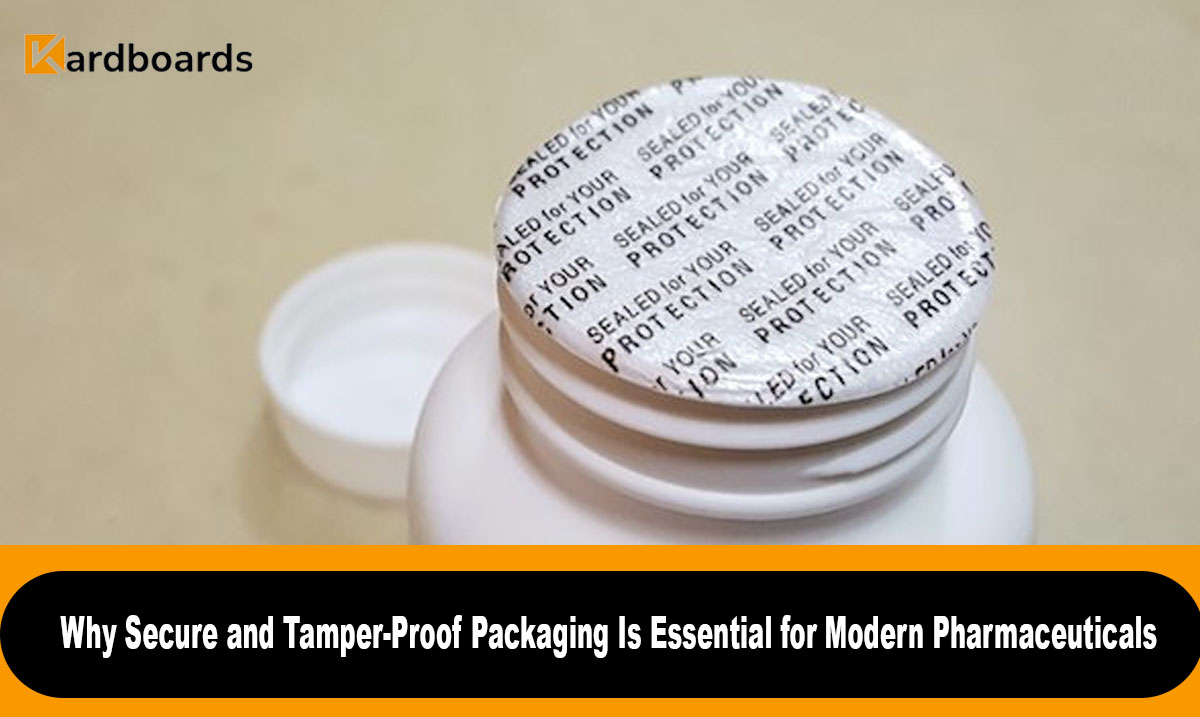
Tamper-proof features protect medicine from contamination, unauthorized access and accidental misuse. Benefits include:
- Tamper-evident seals: Clear visual cues (broken seals, perforated tear strips) notify patients and pharmacists if a package has been opened.
- Child-resistant closures: Reduce accidental ingestion risks for households with children.
- Barrier materials: Moisture, light and oxygen barriers preserve potency and stability across the product’s shelf life.
2. Regulatory Compliance & Traceability
Regulators worldwide require packaging solutions that ensure product integrity and enable post-market surveillance:
- Serialization & Unique Identifiers: Individual serial numbers, barcodes or 2D codes enable track-and-trace across the supply chain.
- Tamper-evidence for controlled substances: Strict packaging controls are mandated for high-risk or controlled medications.
- Cold-chain monitoring: Temperature indicators and data loggers ensure compliance for temperature-sensitive biologics and vaccines.
3. Anti-Counterfeiting & Brand Protection
Counterfeit medicines are a global public-health threat. Secure packaging helps brands fight falsification and maintain trust:
- Authentication features: Holograms, color-shifting inks, microtext and tamper-evident seals help consumers and inspectors verify authenticity.
- Digital traceability: QR or NFC tags linked to manufacturer databases allow consumers and regulators to confirm provenance.
- Invisible security inks & forensic markers: Provide covert authentication that is hard for counterfeiters to reproduce.
Impact: Strong anti-counterfeit packaging reduces diversion, protects patients, and defends brand revenue and reputation.
4. Supply-Chain Resilience & Tamper Detection
Robust packaging works with operational controls to detect and prevent tampering during transport and storage:
- Tamper-evident outer cartons: Prevents clandestine entry during freight handling.
- Security tapes & seals: Serialized seals show chain breaks and are easy to audit at checkpoints.
- Smart sensors: Break-chain sensors or temperature/humidity loggers flag suspicious events for investigation.
5. User Experience & Clear Instructions
Security should not compromise usability. Effective pharmaceutical packaging balances protection with clarity:
- Clear tamper indicators: Visible and intuitive cues help patients know if a pack is safe.
- Easy-to-read labels & dosing guides: Reduce medication errors even when secure seals are used.
- Accessible compliance features: Blister packs with single-dose tracing, peelable seals and measured dispensers improve adherence.
6. Sustainability Considerations
Modern pharmaceutical packaging increasingly looks for sustainable tamper-evident solutions:
- Recyclable tamper panels and biodegradable seals: Reduce end-of-life footprint while maintaining safety.
- Mono-material constructions: Simplify recycling and avoid multi-material laminates where possible.
- Reduced material weight: Lighter designs that still pass protective and tamper tests lower transport emissions.
7. Why Manufacturers Choose Kardboards
- Tailored Tamper Solutions: From serialized seals and tamper tapes to child-resistant closures and blister security features.
- Traceability Integration: Serialization, QR/NFC tagging and packaging systems that plug into your ERP or regulatory workflows.
- Cold-Chain & Barrier Expertise: Temperature-controlled packaging, barrier laminates and validated shipping solutions for sensitive products.
- Regulatory & Testing Support: Drop, transport simulation, and tamper-evidence validation to meet market standards.
Frequently Asked Questions
What’s the difference between tamper-evident and tamper-proof packaging?
Tamper-evident packaging shows visible signs if a package was opened; tamper-proof aims to prevent access altogether. In practice packaging uses both approaches together to deter and reveal tampering.
Do tamper features increase costs significantly?
There is added cost, but when weighed against patient safety risks, regulatory fines, recalls and brand damage, tamper and traceability features are cost-effective investments.
How does serialization help stop counterfeits?
Unique serial codes tied to centralized databases let stakeholders verify product authenticity at any point in the supply chain, making large-scale counterfeiting much harder.
Can tamper-evident packaging be sustainable?
Yes — manufacturers are using recyclable materials, mono-material seals and compostable components to combine security with lower environmental impact.
What tests should pharmaceutical packaging pass?
Typical tests include drop and impact tests, compression, seal integrity, tamper-evidence verification, and for cold-chain items — temperature excursion validation.